Aerosmart UAV Trading L.L.C. is a tech company that specialises in drones and solutions in the UAE and across the GCC.
Aerosmart UAV Trading L.L.C. is a tech company that specialises in drones and solutions in the UAE and across the GCC.

When it comes to farming in Africa say, smallholder plots in Ghana or large estates the two aircraft options between the DJI Agras T25 and DJI Agras T50 essentially boil down to your farm size, budget, and how quickly you want to see a return on your investment (ROI).
This comparison provides a straightforward, no-frills way to understand the differences, allowing you to make the most informed decision.
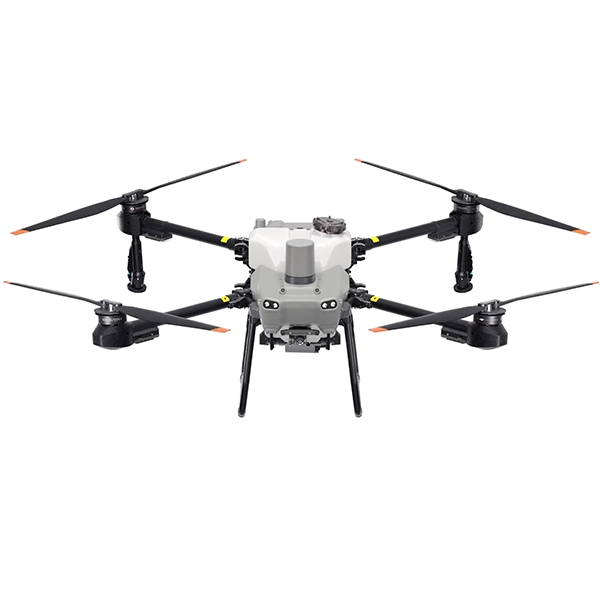
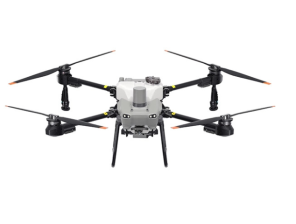
DJI Agras T25
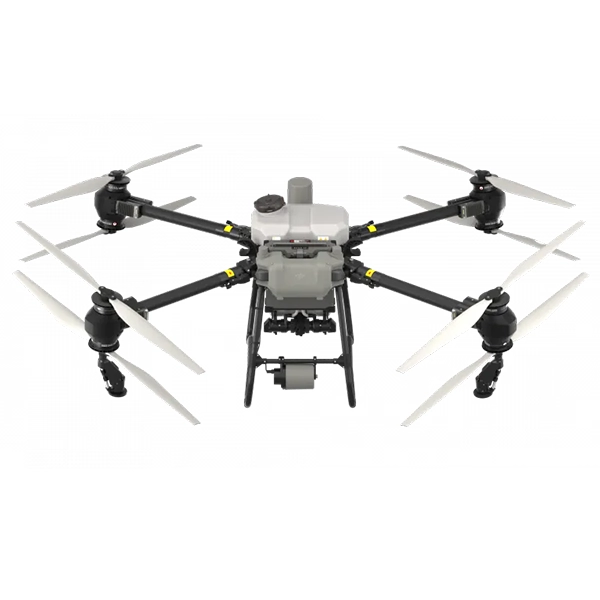
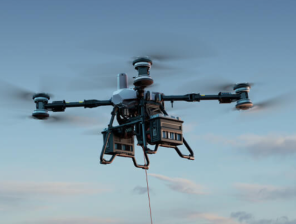
DJI Agras T50
Payload & Tank Size Compared
One of the most significant aspects that set the two aircraft apart was their carrying capacity.
The DJI Agras T25 is equipped with a 20aying tank and can handle up to 25 kg of a spreading payload. It is intended for small-sized users where the decision for the supplier and the convenience in operation are of greater importance than the product volume.
On the other hand, the DJI Agras T50 increases that capacity twofold by introducing a 40L tank and handling up to 50 kg of spreading payload. By that, the need for refilling is decreased, there is less downtime, and the efficiency is notably improved – which is mainly beneficial for large farms.
Simply put:
T25 is a lighter and more flexible option
T50 is a heavier and more efficient one.
Flight Time & Coverage per Hectare
While both drones are designed for maximum efficiency, the actual speed at which they operate depends on the weight of their payload.
The T25 is capable of covering around 20+ hectares in an hour if the weather is perfect. But it has to be refilled more frequently, which might slow down the work over a full day.
The T50 does more in less time, well not exactly because it goes faster, but because it carries more liquid on each trip. This way, there are fewer water breaks, and you get more work done during the whole day.
In the context of agriculture in Africa—where the land is vast and temperatures are high—cutting down on the number of refills can significantly boost productivity.
Best for Smallholders vs Large Estates
Go for T25 if you are:
A smallholder farmer managing between 1 and 20 hectares, or working with fragmented plots.
It’s a more portable, easier-to-operate, and less expensive model. Mainly crops like maize, rice, vegetables, and cocoa farms get the advantage.
Go for T50 if you are:
Operates a commercial farm, plantation, or drone spraying service on an area of over 50 hectares at least once.
The bigger tank, higher payload, and less downtime make it perfect for palm plantations, sugarcane fields, wheat farms, and contract spraying businesses.
ROI: Cost Savings vs Manual Labour
In several African areas, manual spraying continues to be the method of choice, which obviously means the utilization of heavy labor groups, a lot of time, and an unsteady supply of the spray.
The dynamics are different with drones.
The T25 normally gives the return on investment in 6 to 12 months for small to medium-sized farms.
Due to the higher efficiency of the T50, the return on investment can be achieved even sooner – usually within 3 to 6 months, especially for commercial farms or service providers.
Availability & Support in Africa (Aerosmart)
Picking the appropriate drone isn’t the only thing to think about. Having dependable local support quite simply is what will guarantee your long-term success. Aerosmart is there for farmers in Nigeria, Ghana, Kenya, and other parts of Africa with:
It is very important especially during high spraying seasons when even a slight delay can lead to reduced yields and income.
Final Verdict
If you’re new to drone farming or running a smaller farm, the DJI Agras T25 is an inexpensive and wise first choice.
If you’re looking to grow, become more efficient, and start a spraying business that will generate a profit, then the DJI Agras T50 is the better investment for the long term.
Bottom Line
The decision is simple:
CTA
Looking to adopt agricultural drones in Africa?
Partner with Aerosmart for expert guidance, deployment, and full support—from choosing the right drone to scaling your operations.
Start farming smarter with the right technology.



✅ Thank you for reaching out. Your message has been successfully sent, and our team will get in touch with you shortly.