Aerosmart UAV Trading L.L.C. is a tech company that specialises in drones and solutions in the UAE and across the GCC.
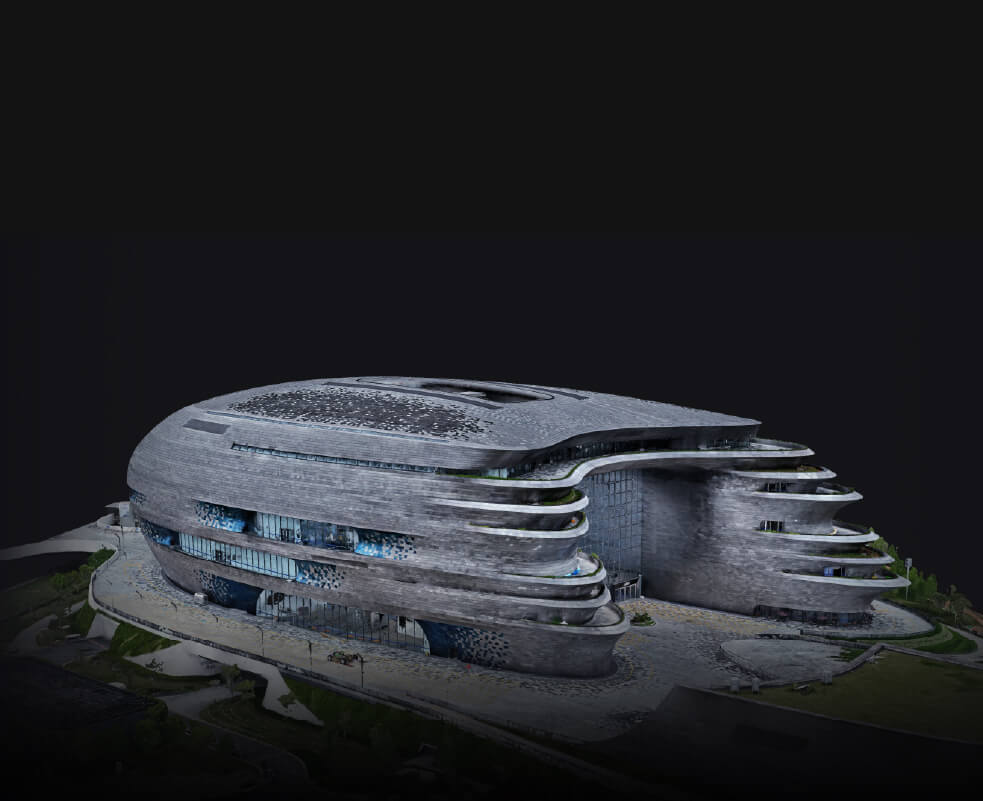
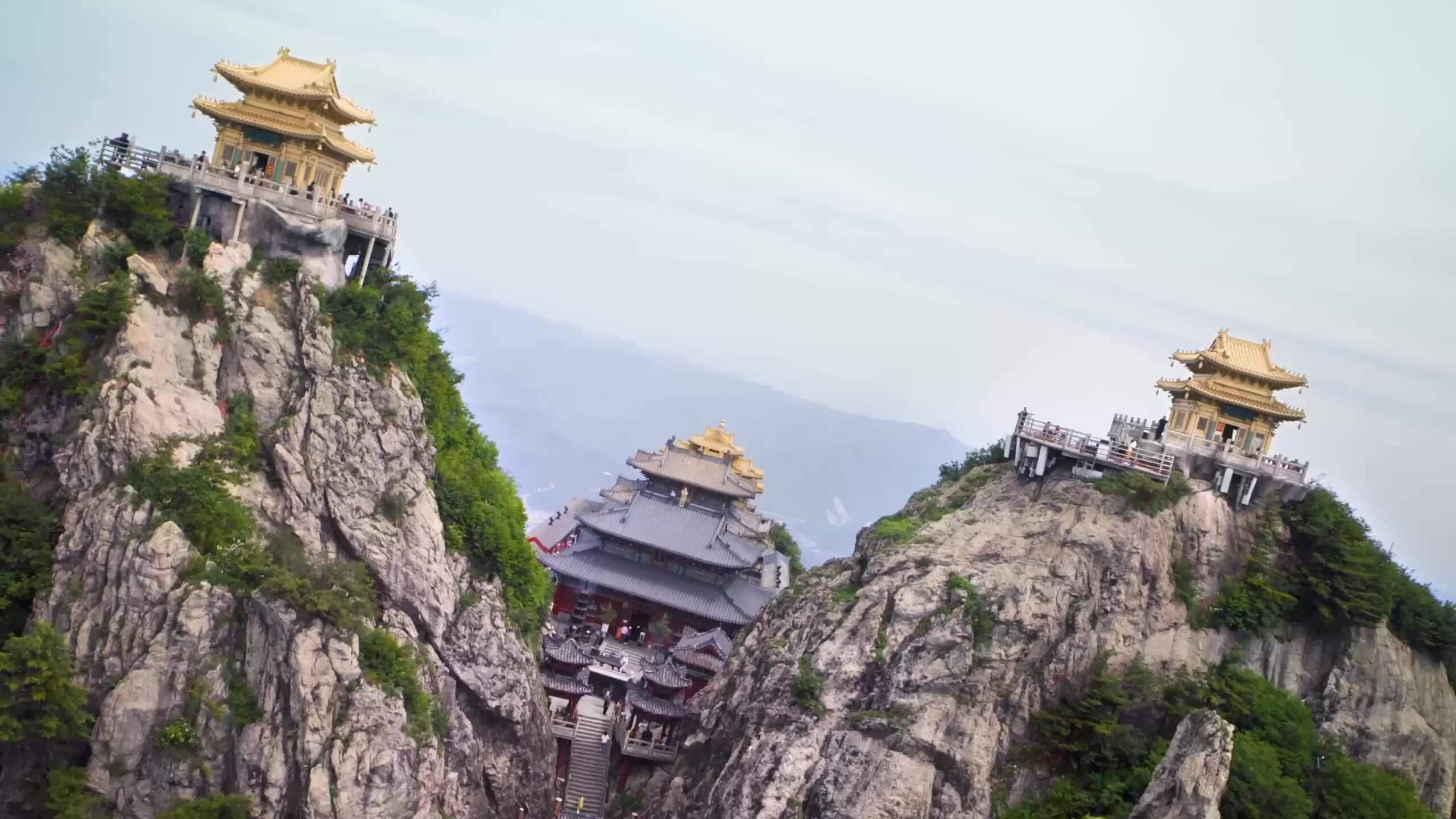
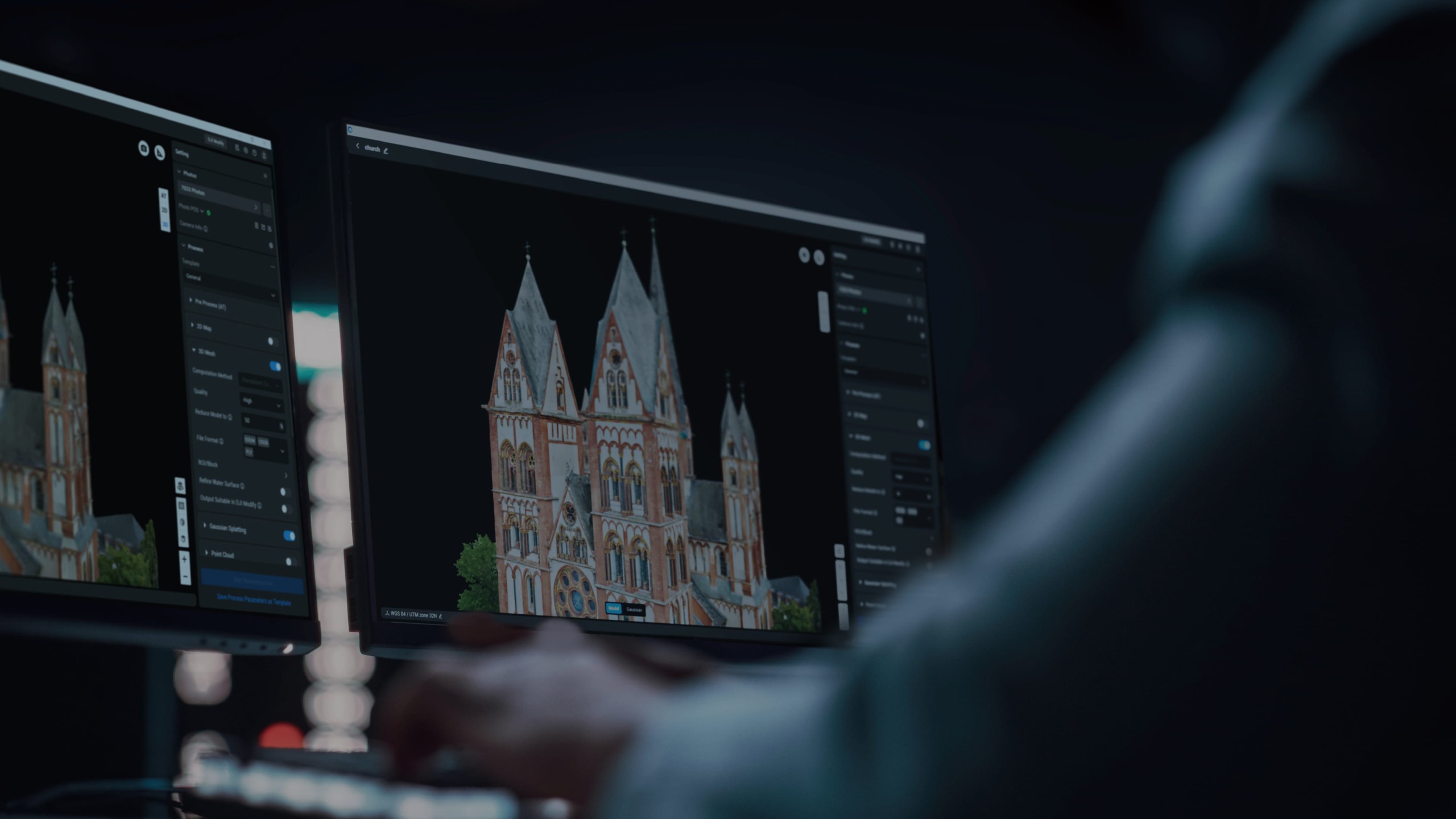
Gaussian Splatting in DJI Terra converts aerial photo datasets into detailed, photorealistic 3D models across scene types that conventional photogrammetry has always handled poorly cultural heritage sites with fine surface detail, architectural projects with glass and reflective cladding, urban blocks with complex layered structures, and garden landscapes with dense irregular vegetation. Where standard oblique photogrammetry degrades on transparent, reflective, or structurally intricate elements, Gaussian Splatting renders them with natural material quality. The technology also generates distortion-free orthomosaics as a standard output, raising the accuracy of 2D map results alongside the 3D model quality.
Processing throughput in DJI Terra reaches approximately 500 photos per hour, with a single-block modelling task completing in 30 to 40 minutes. When datasets scale beyond 10,000 photos the range that city-block and large site projects typically produce — Gaussian Splatting runs at twice the reconstruction speed of Terra Mesh, setting a new benchmark for large-scene processing. The practical result is faster access to high-quality 3D data and significantly shorter project timelines on the work that takes the longest.
City-scale Gaussian Splatting reconstruction in DJI Terra runs efficiently against available hardware processing approximately 300 to 400 photos per GB of RAM with a single task ceiling of 30,000 photos. Urban blocks, industrial parks, large infrastructure corridors, and other expansive, structurally complex environments all fall within the system’s practical scope. The output quality and dataset scale needed for urban digitalisation programs and smart city data infrastructure both fit within what DJI Terra can deliver on standard workstation hardware.
DJI Terra runs Gaussian Splatting on hardware that most professional users already have 4 GB of GPU memory and 32 GB of RAM are sufficient for smooth operation. There’s no requirement for purpose-built high-performance workstations, which removes the capital cost barrier that has historically kept advanced 3D reconstruction out of reach for smaller survey teams and organisations entering the geospatial market for the first time.
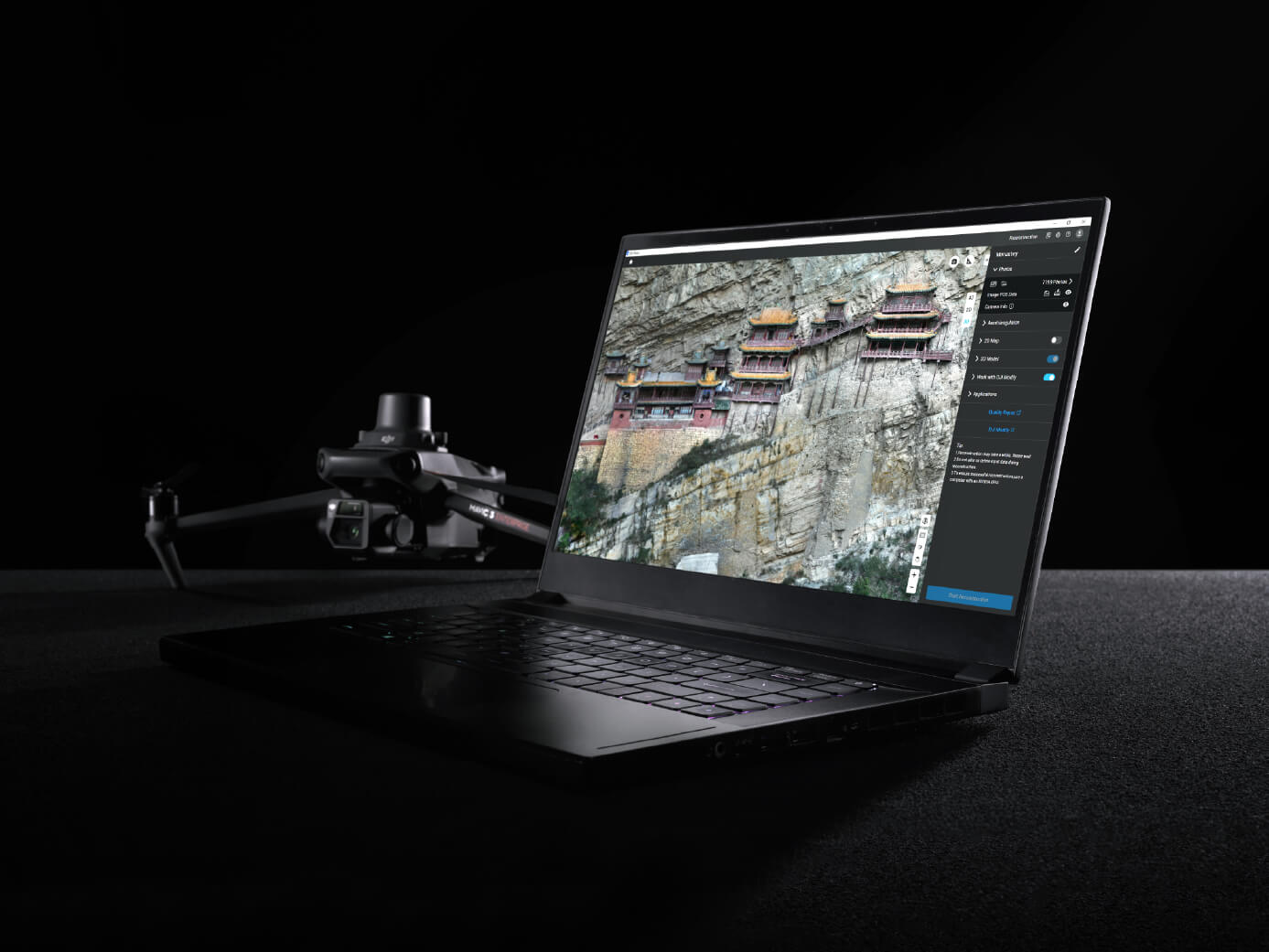
One-click export to PLY and B3DM (3D Tiles) format makes DJI Terra’s Gaussian Splatting outputs immediately usable across the platforms that different industries rely on surveying and mapping tools, game development engines, and film production pipelines all accept the same standardised output files without requiring conversion steps. Standardised formats also support data reuse and sharing across teams and projects, keeping the value of captured data accessible beyond the original application.
From a photo dataset, DJI Terra generates high-precision 3D mesh models, point clouds, true digital orthophoto maps (TDOM), and digital surface models (DSM) in a single processing run. Mesh density for 3D models and resolution for 2D maps both adjust to match the output requirements of the specific project. Industry-standard export formats connect the results directly to GIS, CAD, and BIM platforms without intermediate conversion.
RTK-equipped DJI mapping drones feed positioning data directly into DJI Terra’s processing engine, removing the need for Ground Control Points while maintaining centimetre-level mapping accuracy. Output formats span 3D mesh models, classified point clouds, and 2D maps all generated from the same dataset. For the DJI Matrice 4E and other DJI Enterprise mapping platforms, Terra applies dedicated accuracy enhancements that push results beyond the standard processing baseline. Across complex terrain and built environments, the software consistently meets 1:500 scale mapping standards for engineering survey and topographic mapping deliverables.
Processing speed is built into DJI Terra’s architecture rather than treated as secondary to accuracy. Small project datasets process on site in real time. At scale up to 30,000 photos a standalone workstation completes 3D reconstruction in three days, while cluster reconstruction brings that down to 21 hours. For 2D reconstruction, 5,000 photos process in under two hours on a standalone workstation and in 80 minutes with cluster processing. Those numbers translate directly into tighter project delivery windows, and the confidence to take on urgent or high-volume assignments without building in extra buffer time for processing delays.
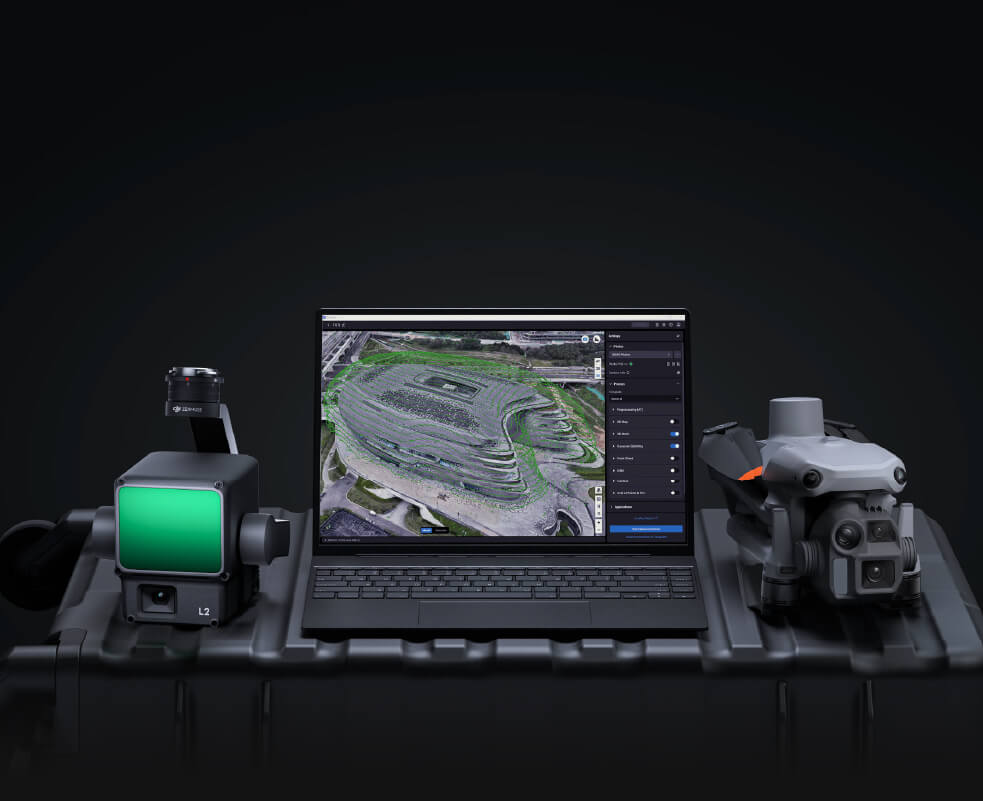
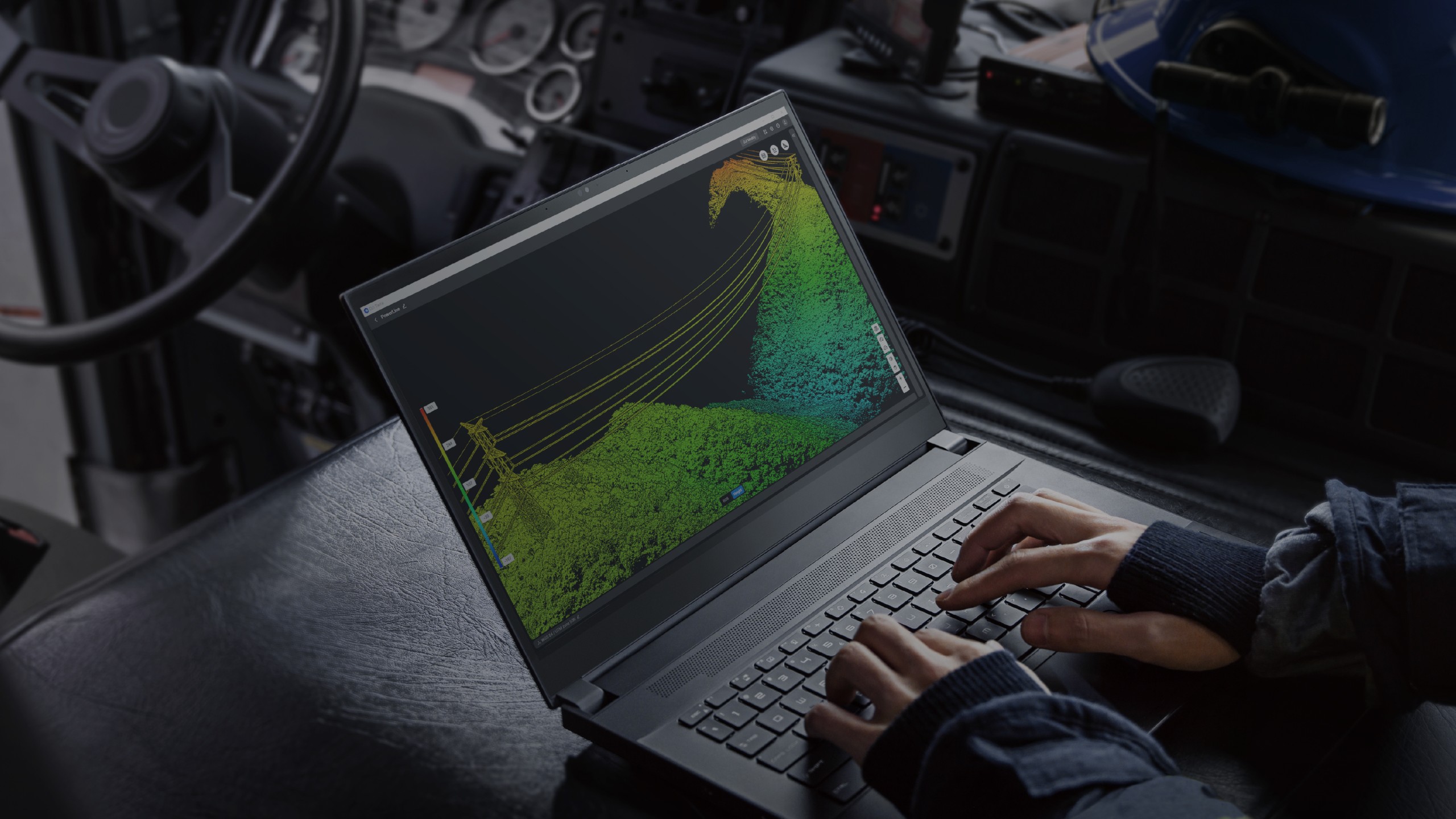
LiDAR and visible light data process together in DJI Terra rather than as separate workflows requiring manual reconciliation. A single DJI Zenmuse LiDAR acquisition produces high-precision point clouds, 2D maps, and 3D mesh models simultaneously the geometric precision of LiDAR combined with the colour and texture detail of RGB imagery. For complex structures like bridges, power substations, and industrial facilities, that fusion produces more complete and detailed models than either data type alone can deliver.
RTK and PPK positioning both feed into DJI Terra’s LiDAR point cloud processing, achieving survey-grade centimetre-level accuracy without Ground Control Points. The result is a reliable positioning foundation for high-standard mapping deliverables and engineering monitoring applications where positional accuracy directly affects the usability of the output data.
Select inspection points directly within a 3D reality model or point cloud local or third-party and DJI Terra generates the corresponding waypoints and flight route automatically. A simulated camera view shows exactly what the aircraft will see at each waypoint, letting operators verify framing and coverage before the mission flies. Matrice 4T and Matrice 4TD now join the list of supported platforms, extending automated inspection route generation to the full current DJI Enterprise fleet.
DJI Terra processes approximately 1 GB of LiDAR point cloud data per GB of available RAM a ratio that scales predictably as project size grows. A 32 GB RAM workstation handles up to 120 GB of data covering roughly 10 square kilometres. City-scale projects that push beyond that boundary run on 128 GB RAM workstations, keeping large dataset management practical without requiring specialised data centre infrastructure.
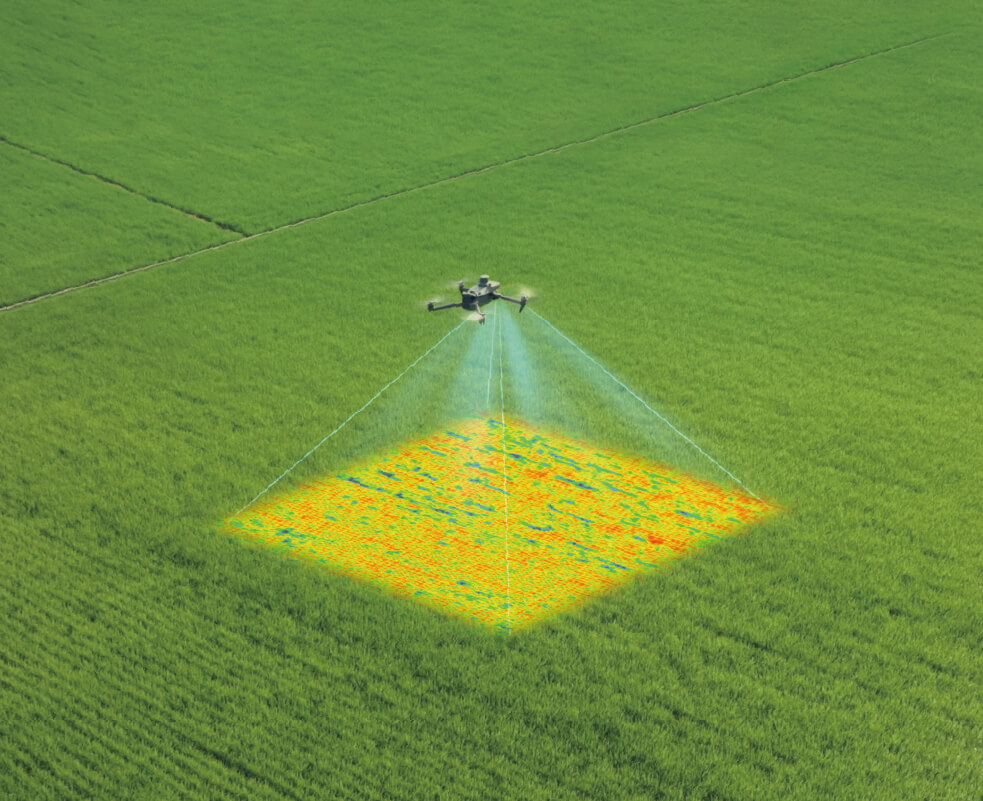
Multispectral imagery from the DJI Mavic 3 Multispectral and Phantom 4 Multispectral feeds directly into DJI Terra to generate NDVI and NDRE vegetation index maps the analytical outputs that turn raw spectral data into actionable information about crop health and growth patterns. Radiometric correction and reflectance map generation are also built in, extending the workflow into remote sensing research applications that require calibrated spectral data rather than raw imagery.
Prescription map generation in DJI Terra starts with a crop type selection Field or Fruit Tree and the software generates both the 2D map and an optimised flight route for the DJI Agras spray drone in a single step. Variable-rate spraying prescription maps are also supported, letting operators target application rates to actual crop health variation across the field rather than applying a uniform dose across the entire area.
DJI Terra features robust built-in PPK (Post-Processed Kinematic) capabilities, ensuring high-precision aerial survey results in any environment. The platform supports local PPK for visible light imagery, local PPK and cloud-based PPK [14] for LiDAR. This guarantees centimeter-level positioning accuracy even in areas with limited network connectivity or where RTK is unavailable.
Your journey into the extraordinary begins here. Share your details for a personalized DJI Terra quote and let your imagination soar.
✅ Thank you for reaching out. Your message has been successfully sent, and our team will get in touch with you shortly.