Aerosmart UAV Trading L.L.C. is a tech company that specialises in drones and solutions in the UAE and across the GCC.
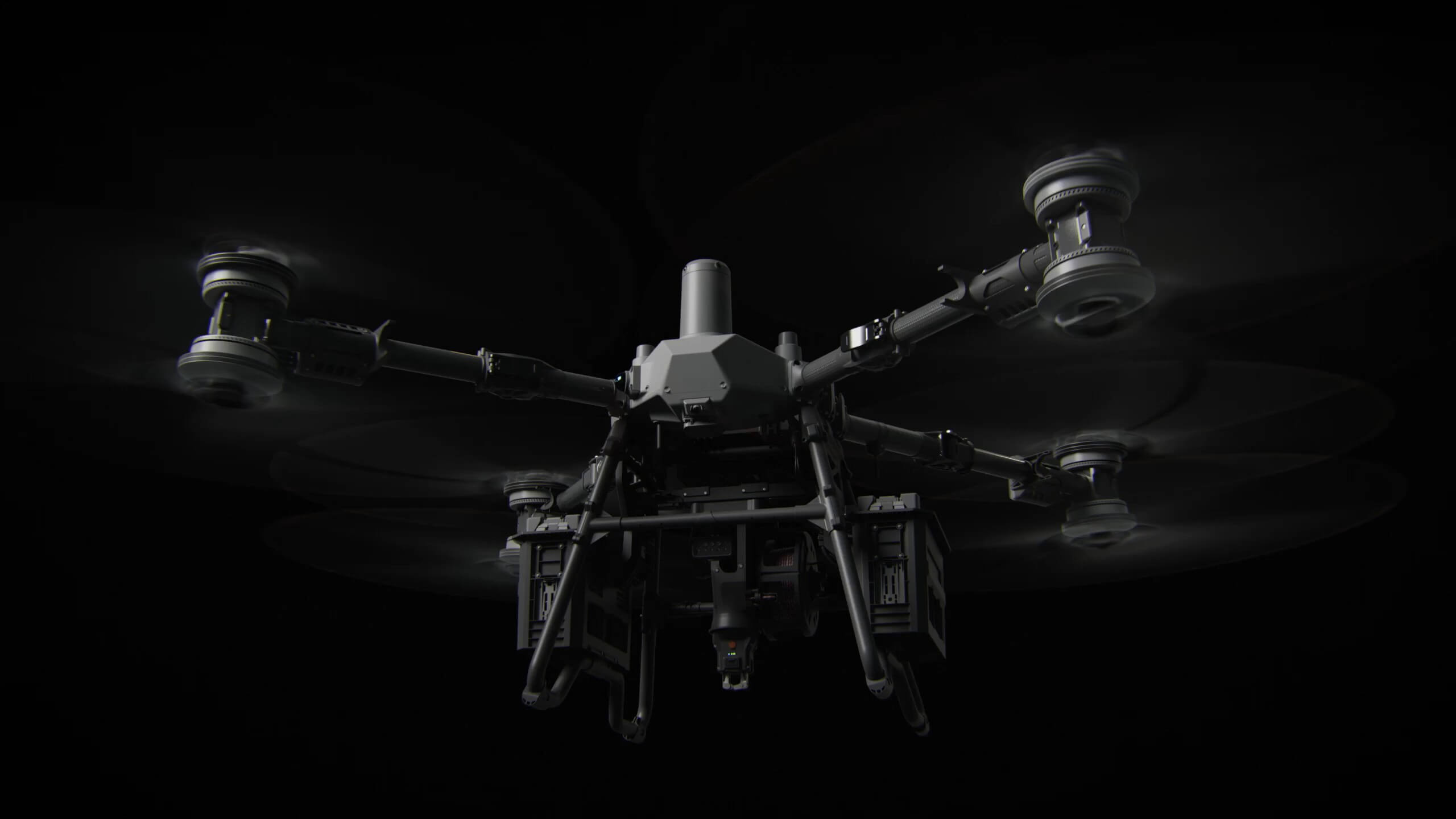
DJI FC100 |Dual Battery| Flagship Winch System| Integrated Parachute
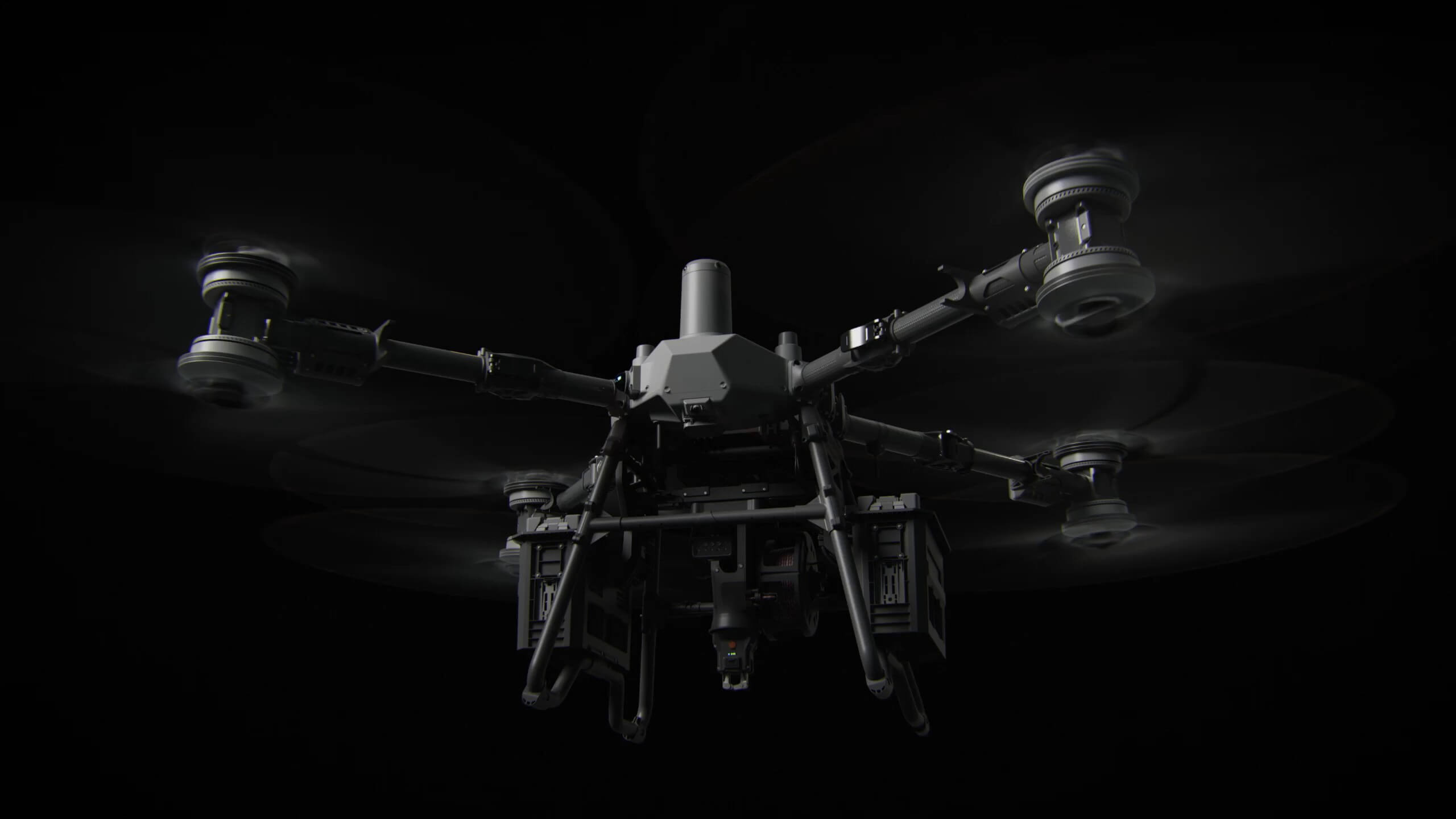
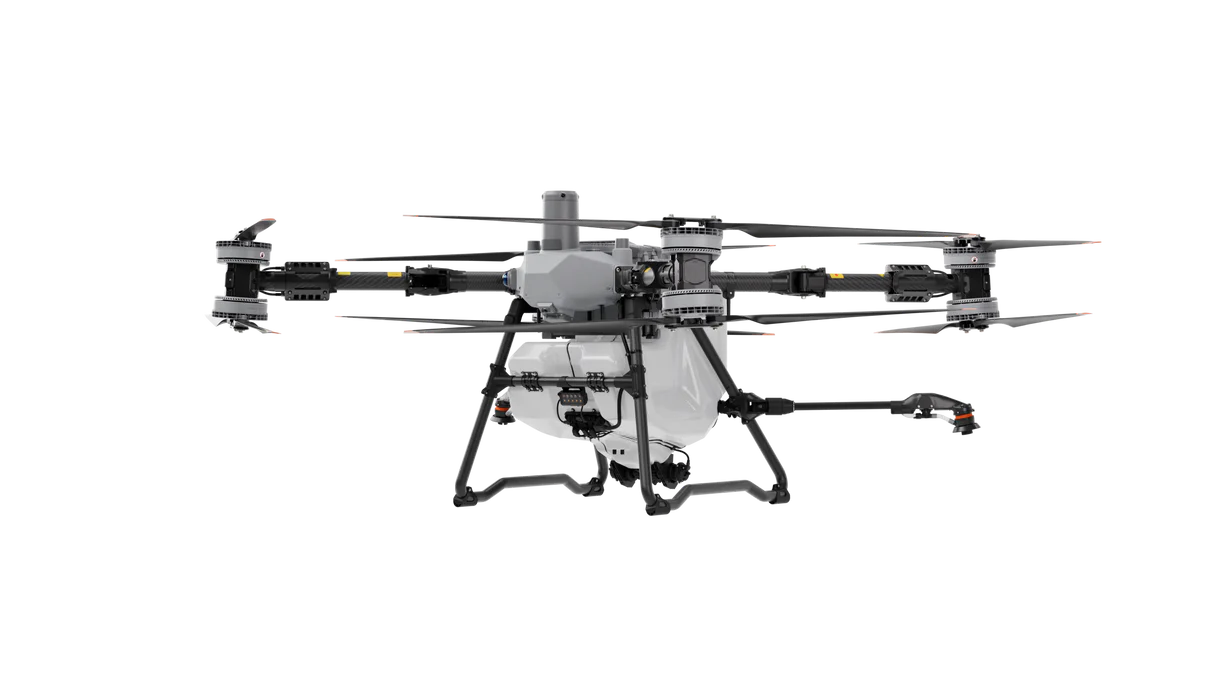
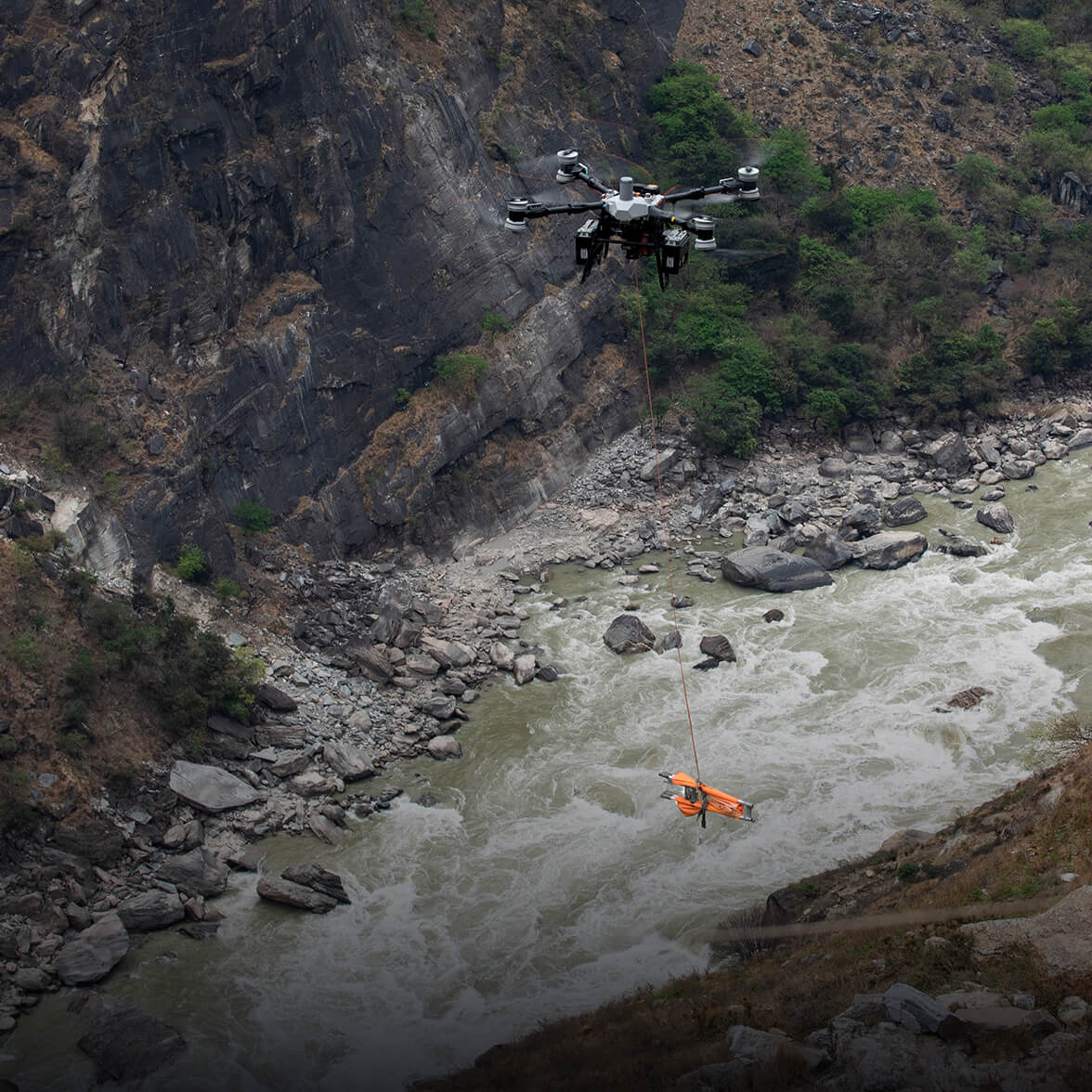
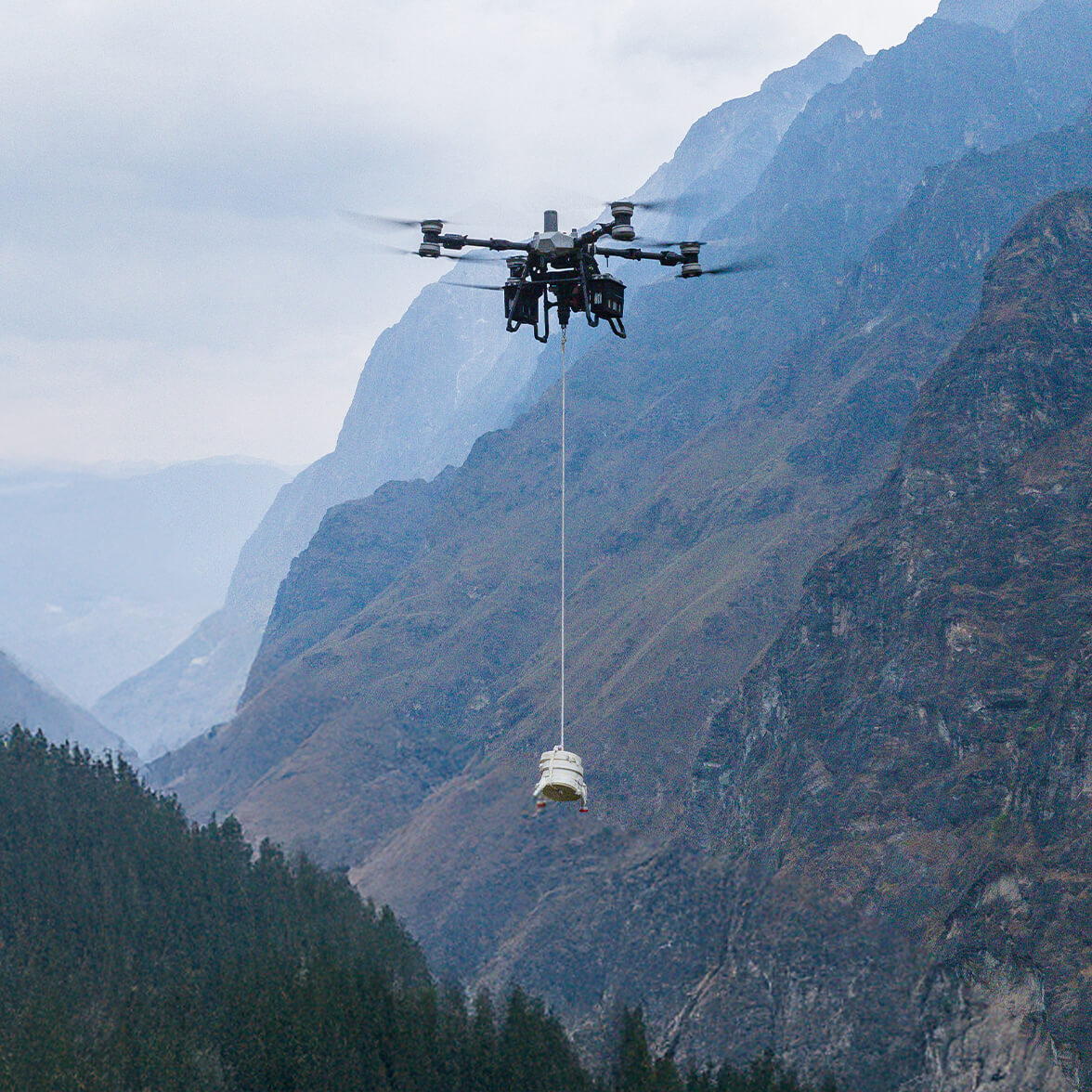
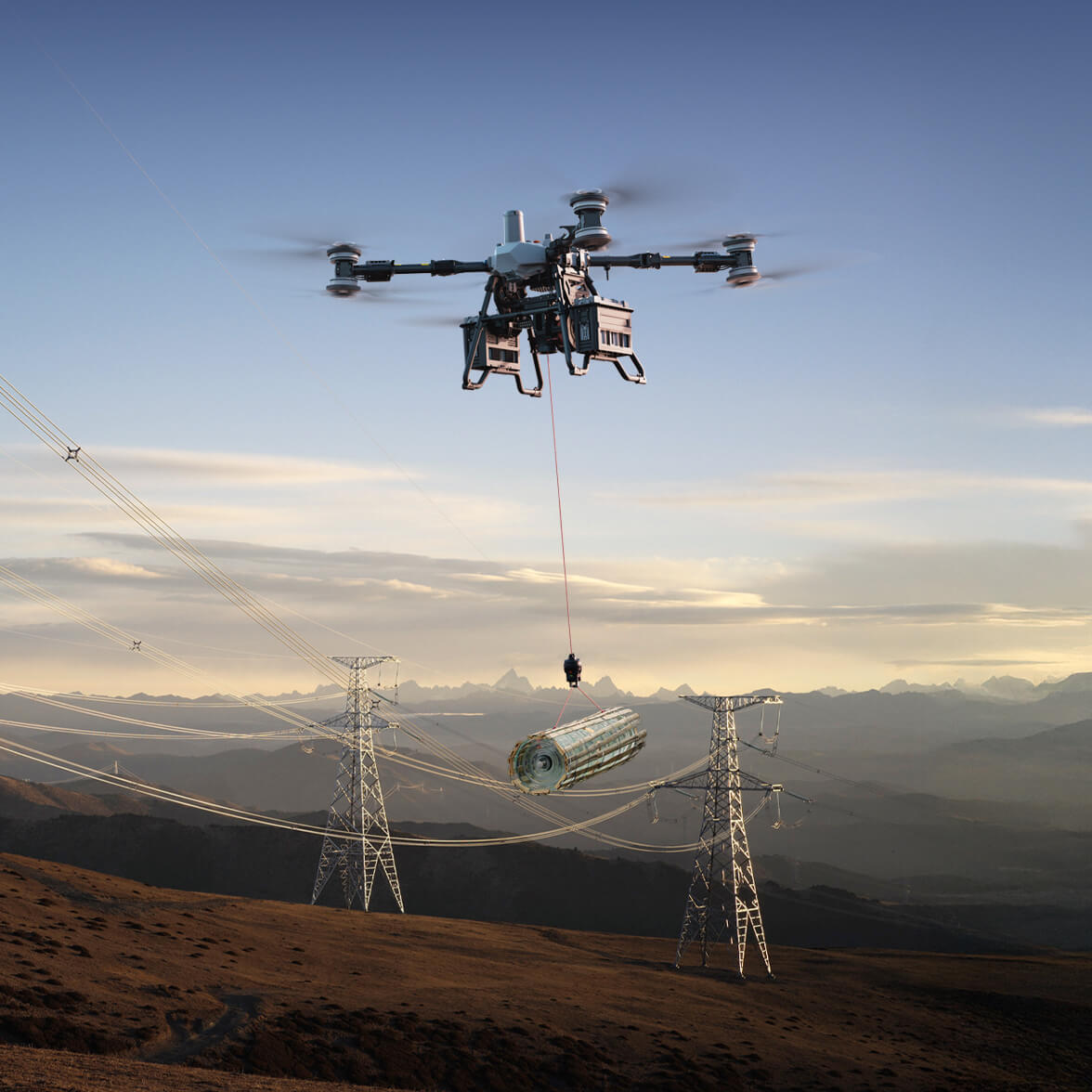
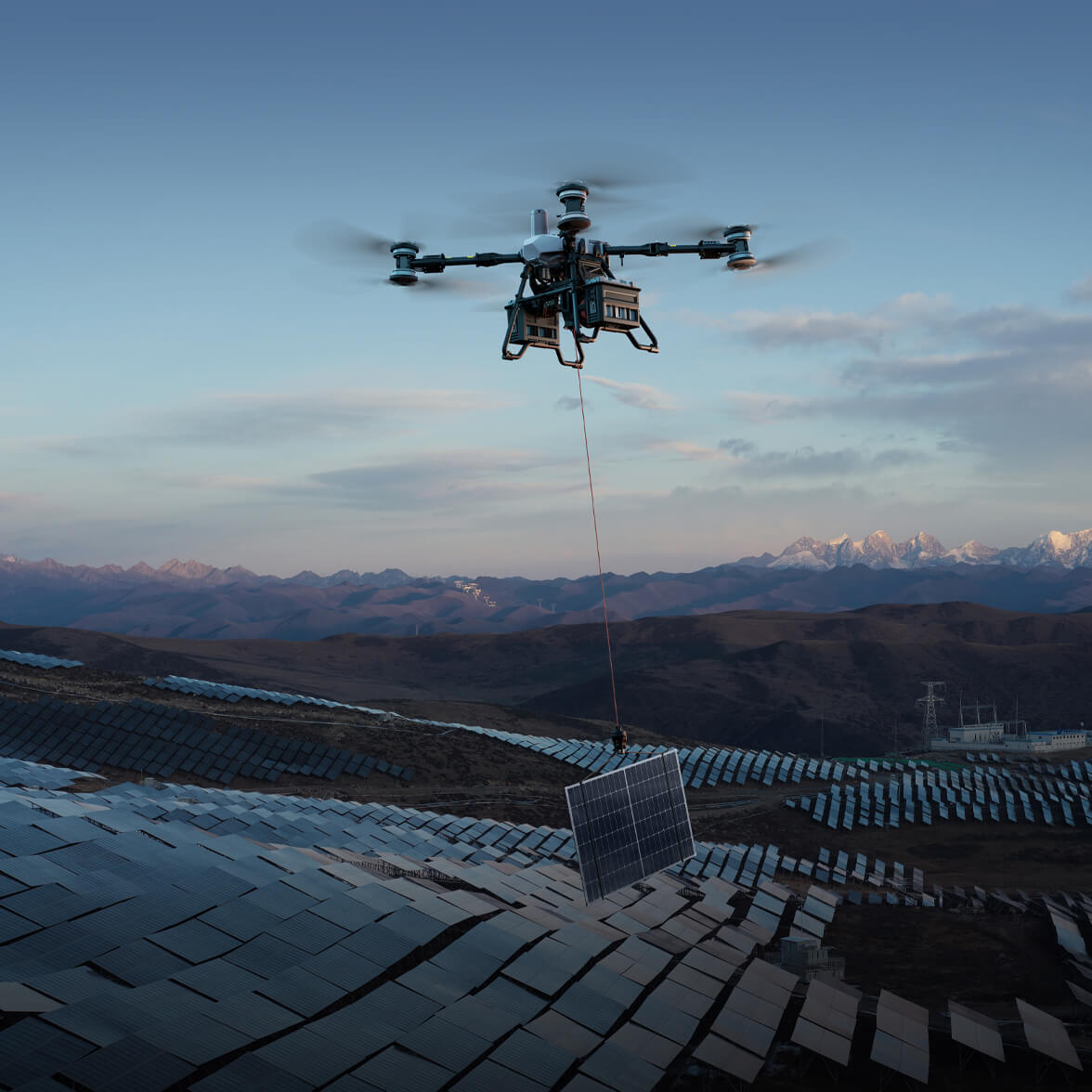
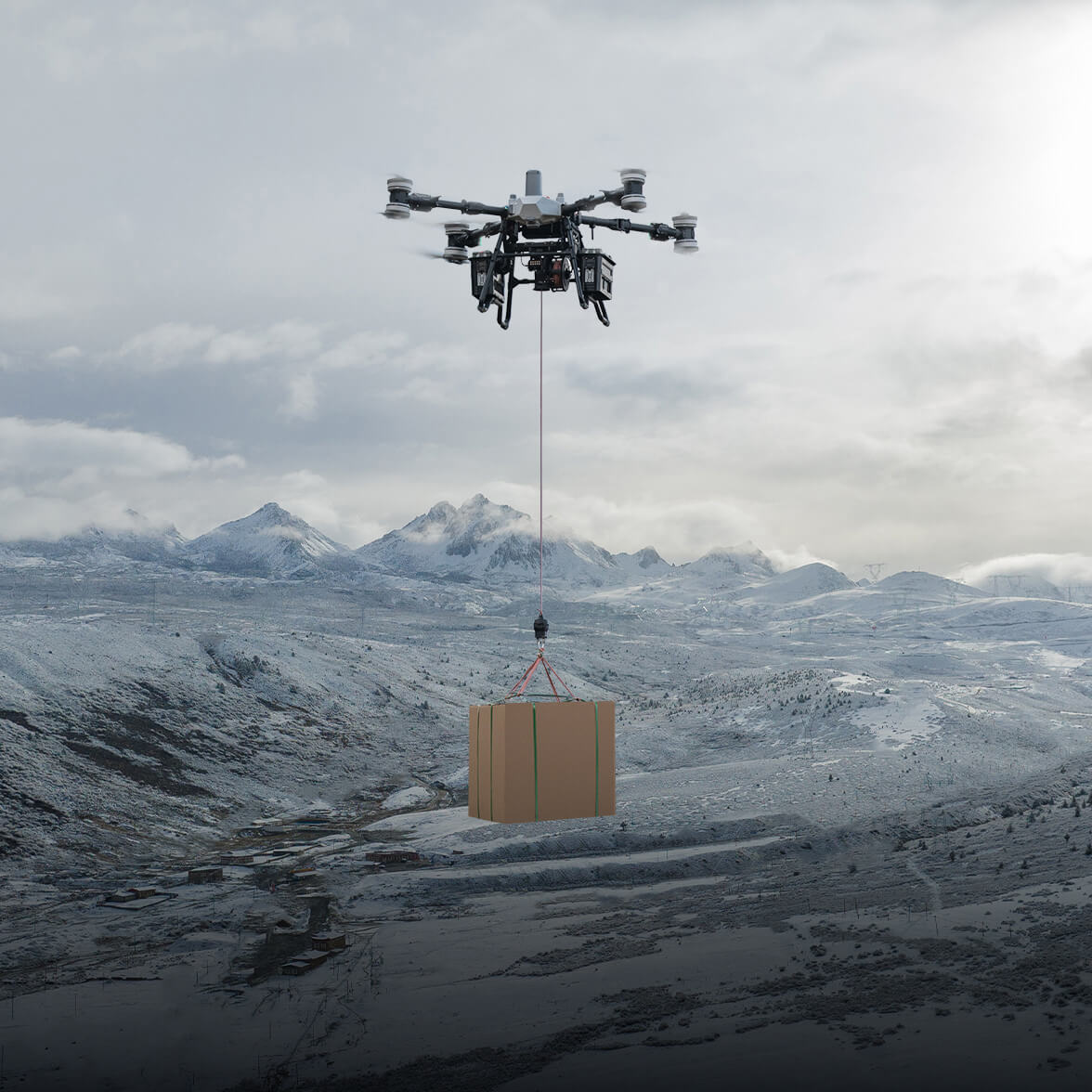
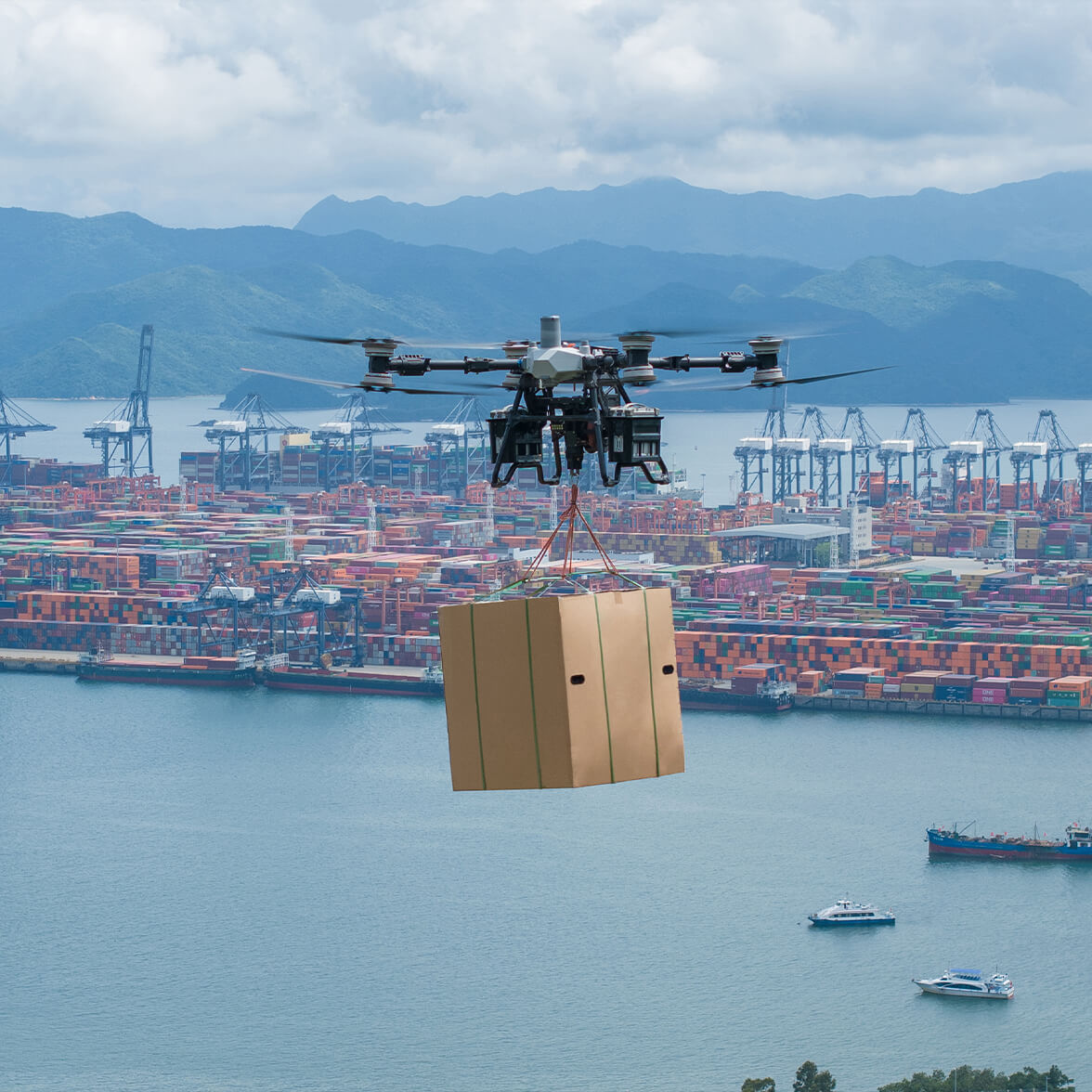
Watch Video ▶Introducing the brand new DJI FC100, 85 kg[1]payload capacity with dual battery, 2 payload systems, integrated seamlessly with a powerful developer ecosystem, redefine professional delivery and break through the operational boundaries. The intelligent and advanced Safety System enables unstoppable delivery from mountains to oceans, unlocking infinite possibilities.

Carry heavier and reach farther, expertly balances excellent performance with power efficiency. Experience efficient delivery.
Carbon fiber propellers offer greater rigidity and lighter weight, can resist deformation even at high temperatures. With Optimized airfoil and enlarged propeller diameter, energy efficiency is improved. The upper motors are equipped with Propeller Clamps, which reduce propeller vibration for more stable flight.

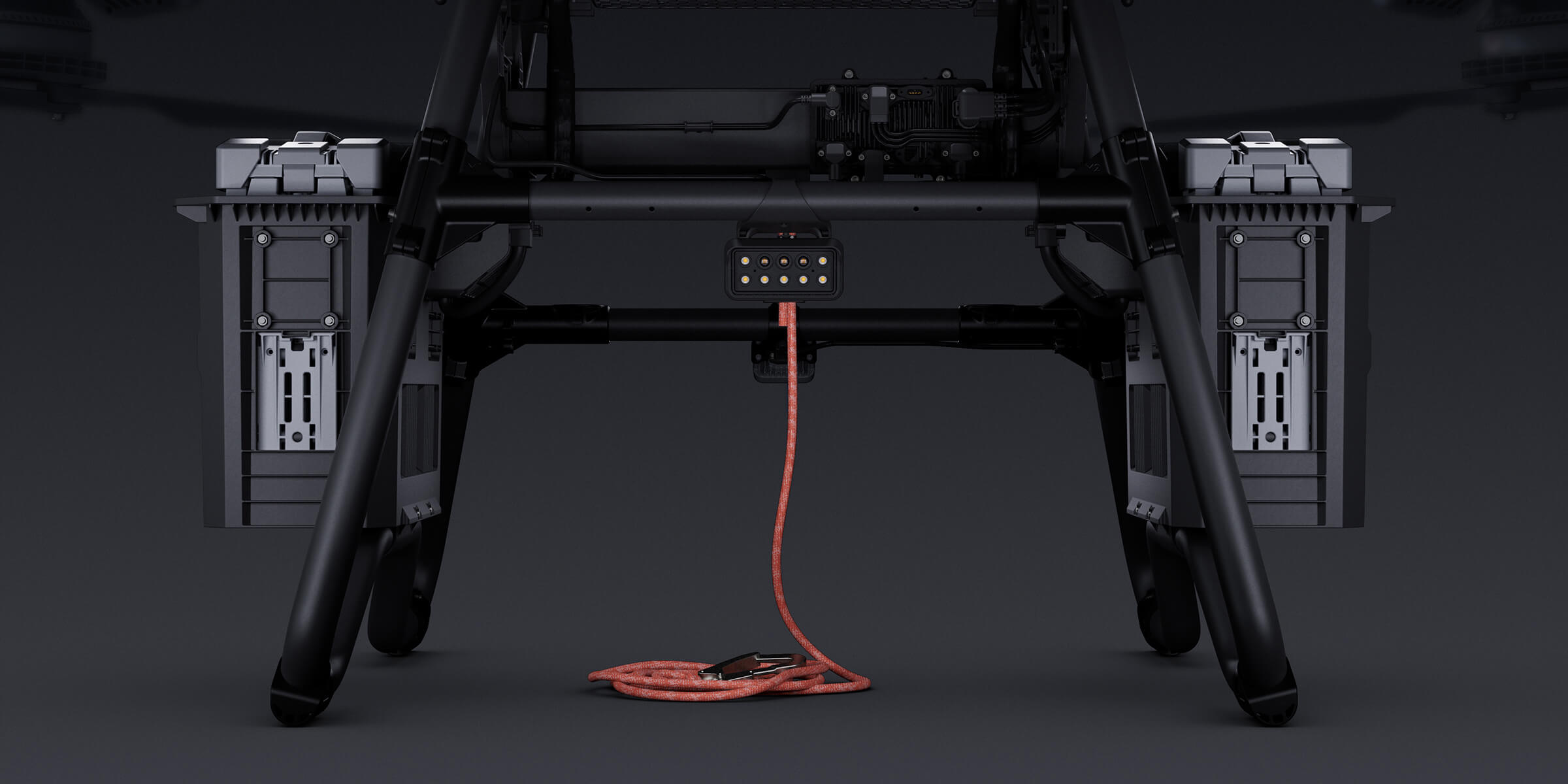
FC100 supports 2 payload systems, the brand new Flagship Winch System, equipped with an Electric Hook for efficient loading and unloading. Also compatible with DJI Dual-Battery Lifting System, flexibly adapting to various delivery scenes.
Winch system offers both automatic and manual release and retrieval options, equipped with a rope length of 30m, it can maintain a retractable speed of 1.2 m/s with heavy loads, ensuring efficient and reliable operation.
Cargo releases automatically upon touchdown, and the hook can be remotely controlled to open, ensuring safe and precise delivery.
The combination of a triaxial force sensor and intelligent algorithms enables minimize cargo swing and improve stability.
For extreme situations when hanging cargo gets trapped or tangled, discard the cable entirely with one click and let the drone free.
Three overlapping sensor systems give the FC100 a complete picture of the environment around both the aircraft and its suspended cargo the distinction that matters for a delivery drone, where the load hangs below the aircraft and occupies a different position in space than the airframe itself. LiDAR, millimeter-wave radar, and the Penta-Vision system each cover different detection scenarios, and their inputs combine to keep operations safe through terrain complexity, obstacle proximity, and low-light conditions that would compromise any single-sensor approach.
Scanning at 300,000 points per second, the LiDAR resolves terrain geometry and obstacle positions with a precision that camera-based systems can't match particularly relevant at night when the FPV feed loses the contrast needed to reliably identify edges and wires. The dense point cloud gives the flight controller an accurate environmental model to navigate against, not a camera image to interpret.
The forward radar sweeps the vertical airspace 5,000 times per second while the 360° mechanical rotation covers all horizontal bearings continuously. A downward-facing radar monitors the ground below the aircraft and cargo, and a rear radar closes off the blind spot that front-only systems leave open. The three-radar arrangement covers the full sphere of airspace around the FC100 throughout every phase of flight.
Four directional cameras paired with a low-light full-colour FPV unit give the operator continuous visual coverage in every direction ahead, behind, both sides, and directly below where the cargo hangs. The visual data feeds obstacle detection rather than relying on the operator to spot hazards in a single forward-facing feed, which is particularly important in confined delivery zones where obstacles can be in any direction relative to the aircraft's heading.
Front-facing high and low beams illuminate the flight path in the direction of travel, while downward supplemental lighting covers the area below the aircraft and cargo during descent and unloading. The combined lighting system makes nighttime operations viable without relying solely on sensor data for situational awareness.
The integrated ADS-B receiver picks up position broadcasts from nearby manned aircraft continuously, giving the operator advance warning of potential airspace conflicts before proximity becomes a risk. In mixed airspace environments near airports, helipads, and low-altitude flight corridors that awareness is what keeps beyond-visual-line-of-sight operations on the right side of safety margins.
Safe delivery operations don’t just protect the cargo they protect the people on the ground at loading and unloading points, the aircraft itself across its full operational lifecycle, and the continuity of the mission through unexpected events. The FC100’s protection architecture covers all three across every phase of flight.
During the high-risk phases of takeoff and landing when people and vehicles are most likely to be in close proximity to the aircraft AR overlays flag pedestrians and vehicles in the operator’s field of view before they become a hazard. Return-to-home activates a landing point projection that guides the aircraft back to the precise touchdown location, which matters in constrained delivery zones where a few metres of drift would mean a failed or dangerous landing.
Terrain following runs in real time against actual ground elevation, maintaining a consistent clearance height above slopes, ridgelines, and elevation changes rather than flying at a fixed altitude above sea level. In mountainous delivery routes and complex terrain corridors, that distinction is what keeps the aircraft from clipping rising ground on the approach or descent phase of a run.
Standard obstacle avoidance is designed around the aircraft’s own footprint. The FC100 extends that logic to account for the cargo hanging below calculating clearance based on the combined envelope of airframe and suspended load rather than the aircraft alone. In the tight approach corridors and cluttered environments that delivery missions regularly involve, the difference is what prevents entanglement incidents that a conventional avoidance system would miss.
Roll Flight mode keeps the aircraft laterally level in crosswind conditions that would ordinarily induce roll improving cargo stability during transit and giving the flight controller more authority to maintain position accuracy when one or more motors experience a power anomaly. It’s a meaningful addition for operations in exposed locations where wind loading from the side is a regular factor.
The parachute is integrated into the airframe rather than added as an external attachment, which keeps the deployment system protected and the aircraft’s aerodynamic profile clean. Multi-redundancy means no single failure point prevents deployment when it’s needed. At maximum takeoff weight, it deploys at low altitude and brings descent speed down to 7 m/s the threshold that meaningfully reduces ground impact risk to people and property below.
Reliability testing on the FC100 covered the specific failure modes that matter for a heavy-lift cargo drone operating in demanding environments. High and low temperature operation tests verified performance across the full operating range. Wind tunnel testing validated stability and control authority under the crosswind loads that real delivery routes encounter. The winch, electric hook, and parachute each went through dedicated release and retrieval testing cycles to confirm they perform when called upon not just in nominal conditions, but under the stress profiles of actual operational use.

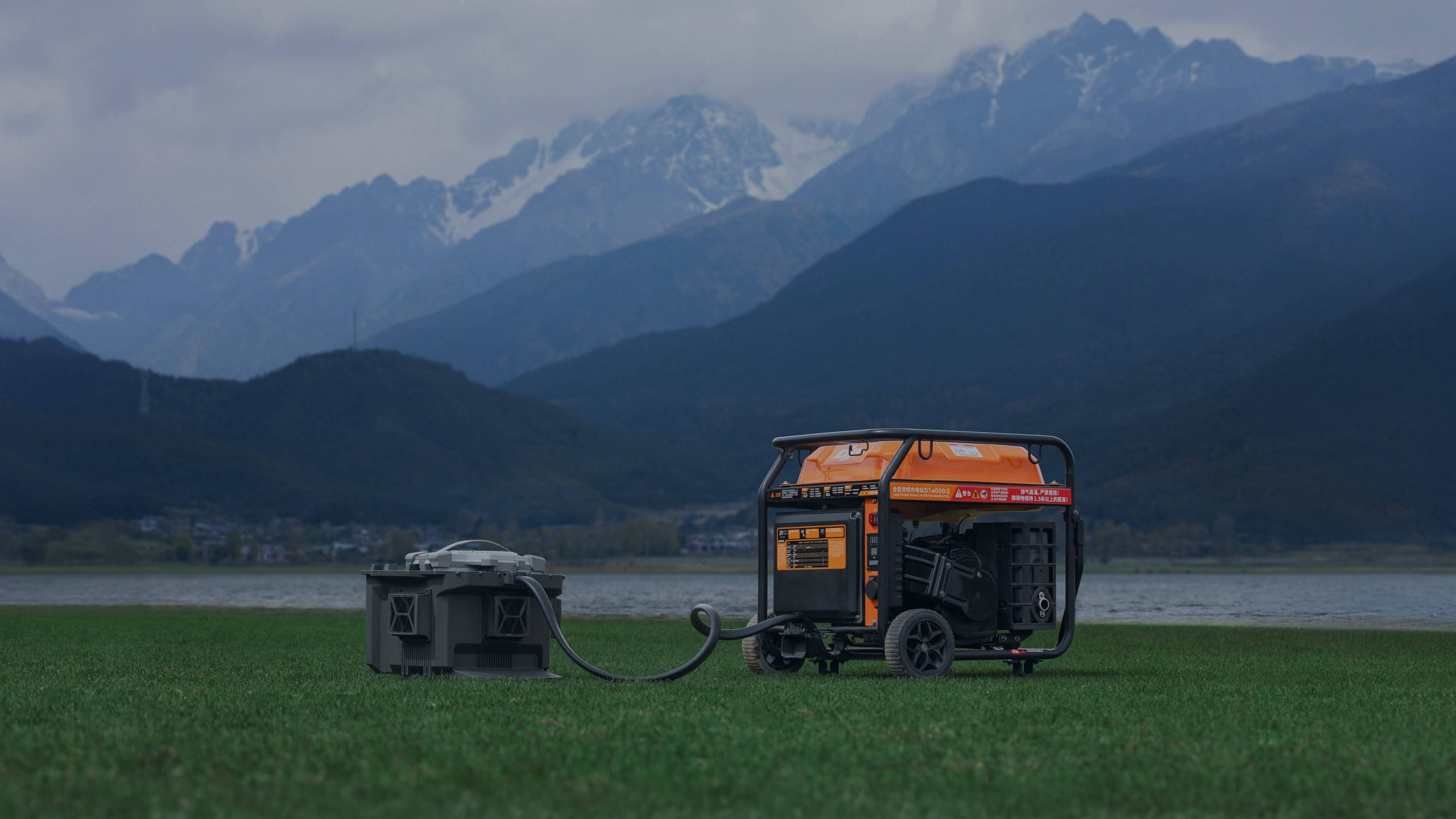
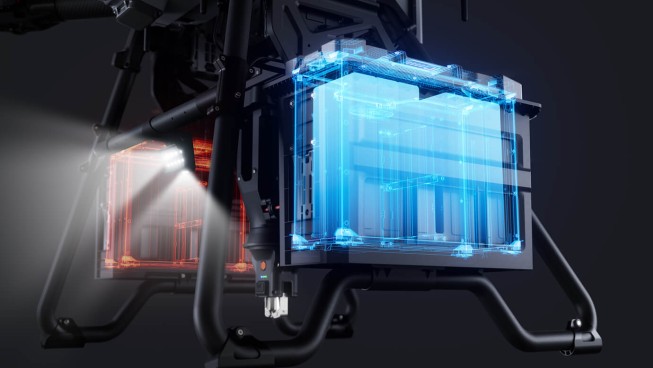
Long operational cycles need power turnarounds that don’t become the limiting factor. The FC100 supports ultra-fast charging across multiple power supply options, and dual-battery hot-swapping means one battery can be replaced while the other keeps the aircraft systems live eliminating the downtime between flights that a full cold shutdown would create.* (*Accessories may vary by region, please consult your local dealer for more details.)
Running two batteries creates mutual redundancy if one experiences a fault mid-flight, the other takes the full load and keeps the aircraft airborne. The operator gets an alert, the mission continues, and the aircraft returns safely rather than dropping from a single-point power failure.
In dual-battery mode, one battery swaps out while the other holds the aircraft’s systems live. No full power-down, no boot sequence on restart, no gap in operational readiness — the next flight begins from a running start.
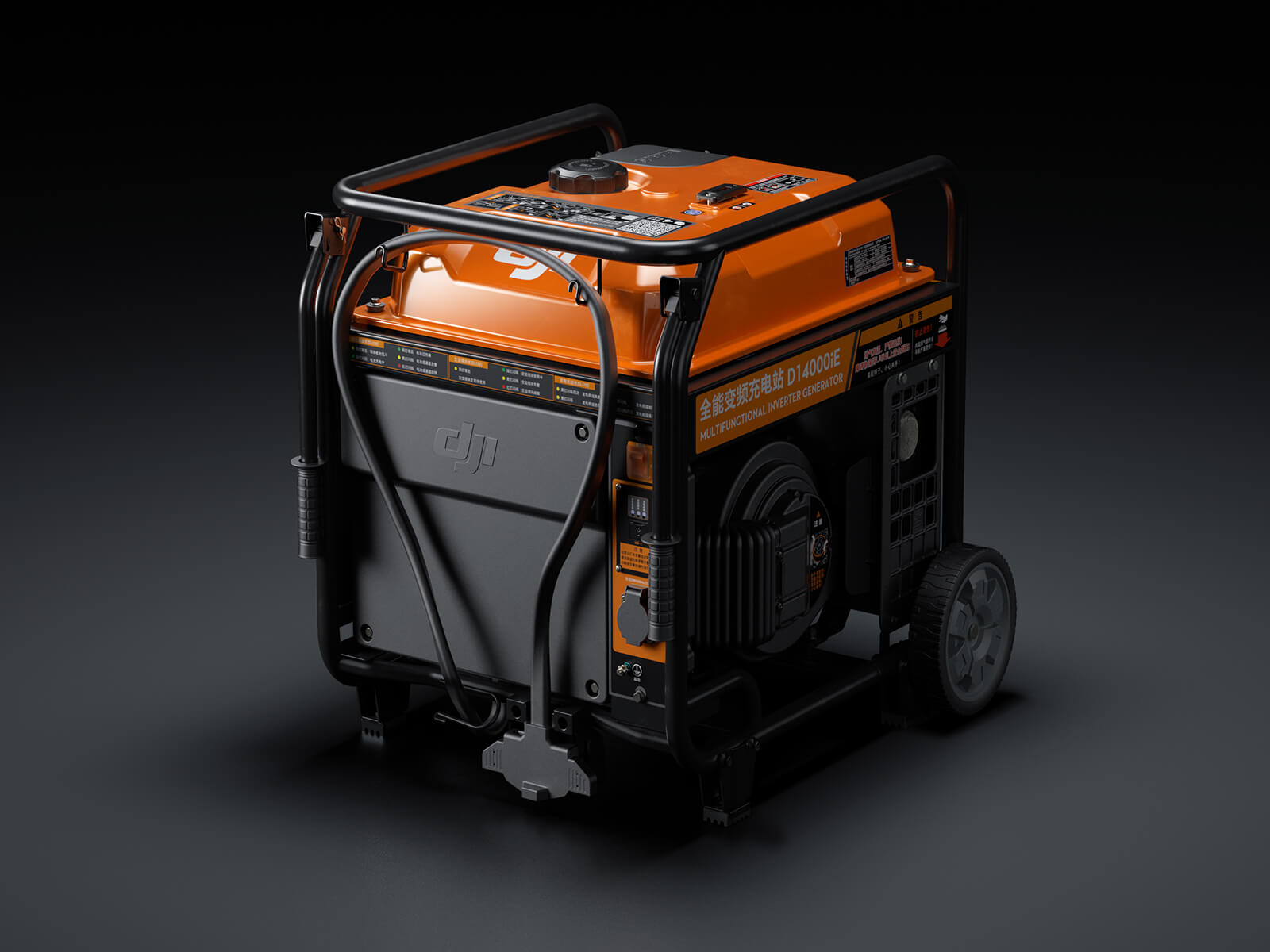
Accessories of power system vary between different countries. Please contact the authorized DJI dealers at your location for details.
Tri-phase power input
12000 W fast charging[17]
Adaptive power protection
1.8 m charging cable
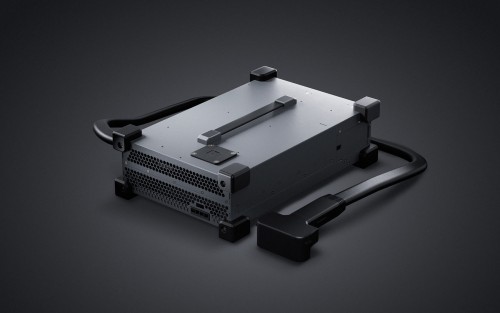
Single-phase power input
9000 W fast charging[17]
Adaptive powerprotection
1.5 m charging cable
11500 W fast charging[16]
1500 W AC output
1.8 m charging cable

The RC Plus 2 is built for conditions that consumer controllers aren’t rated for. A 7-inch screen peaking at 1,400 nits stays legible in direct sunlight, IP54 dust and water resistance handles field exposure, and the -20°C to 50°C operating temperature range covers everything from cold-season mountain routes to UAE summer field conditions. Dual Controller Mode lets two operators share control permissions useful for training handovers, complex delivery scenarios where a co-pilot manages cargo while the primary pilot handles navigation, and any situation where a control transfer needs to happen cleanly mid-mission.
O4 transmission holds a stable video link across up to 20 km the range that long-distance delivery corridors and remote logistics operations actually require. The upgraded algorithm prioritises connection stability over peak bandwidth, which matters more in the field than peak resolution on a clean signal.
When RF conditions degrade the O4 link but cellular coverage is available, the optional DJI Cellular Dongle Kit switches the video transmission path to 4G automatically no manual input required. Mountain terrain, urban RF congestion, and proximity to high-interference sources all create conditions where 4G continuity keeps the mission running when O4 alone would struggle.
The upgraded O4 video transmission ensures constant signal availability and smoother videos.
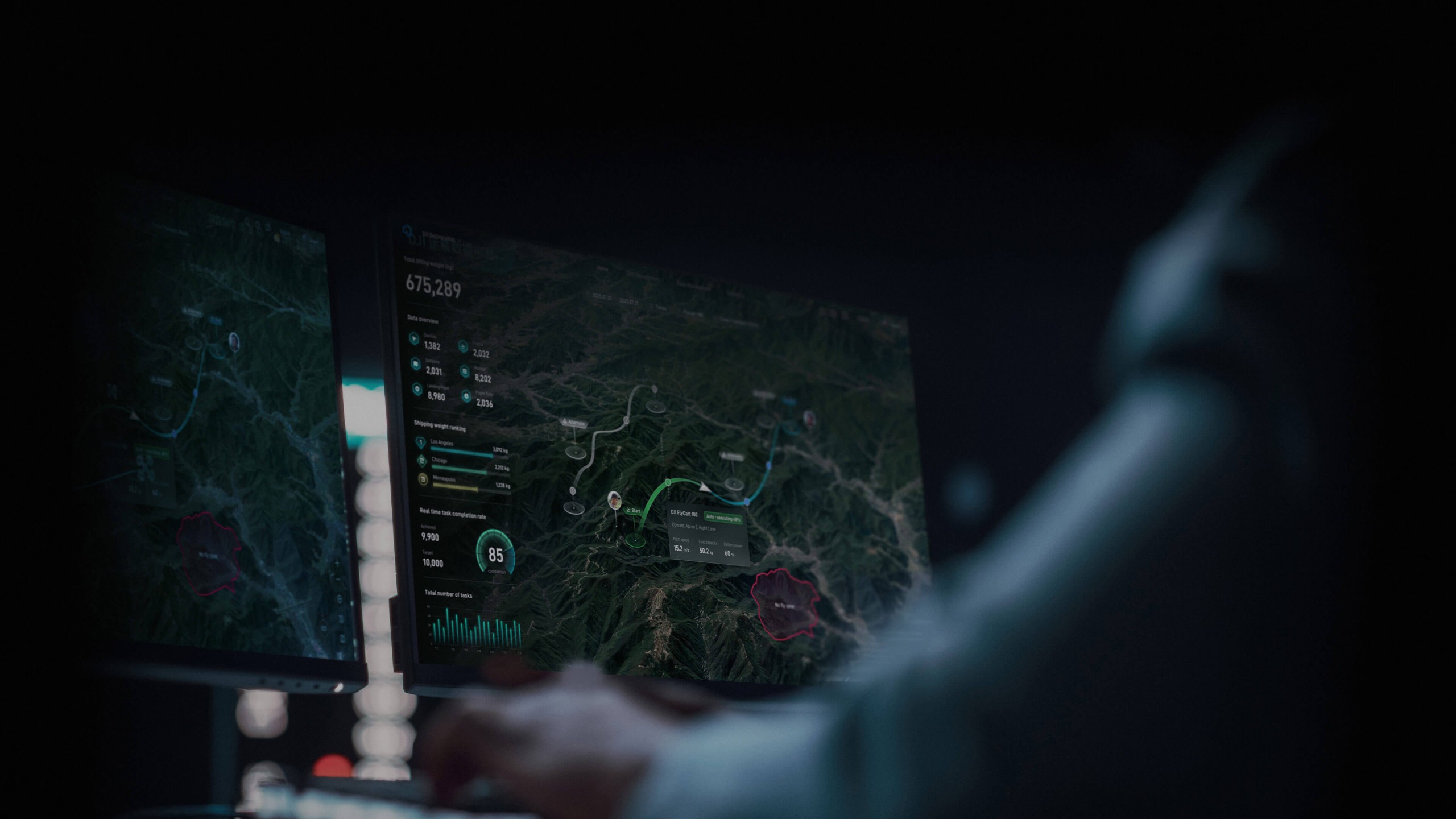
An aircraft this capable deserves ground software that keeps pace with it. The DJI Delivery App was built specifically for cargo delivery operations not adapted from a general flight control interface. Real-time flight status and cargo transport data sit clearly in view throughout every mission, and the interface stays clean enough for pilots focused on the operation rather than navigating menus. A-B Route Operation Mode and AR Display are the headline additions, but the whole design reflects a workflow that’s been thought through from the operator’s perspective.
Mark the destination on the map, confirm, and the aircraft handles the rest route planning, altitude management, obstacle response, and arrival. For delivery operations running consistent routes, it removes the cognitive load of manually flying every leg and keeps the operator focused on cargo management and situational awareness.
The loading point and delivery destination are configured once using the RTK-equipped controller and synced to the pilot’s unit. On subsequent runs, AR projection pinpoints both locations precisely the pilot sees exactly where point A and point B are in the physical environment without re-entering coordinates or relying on memory. For recurring delivery routes, setup happens once and operations repeat accurately from that point forward.
Four directional cameras plus a low-light FPV unit give the operator simultaneous visibility of what’s ahead and what’s happening with the cargo below the two views that matter most during transit and descent. AR flight route overlay shows the planned path in the live feed, and AR obstacle detection flags hazards as they enter the relevant zone rather than requiring the operator to identify them manually in a busy visual environment.
Winch operations — lower, release, retrieve link to waypoint actions in the mission plan. When the aircraft reaches the delivery waypoint, the winch executes the preset sequence automatically, completing the cargo handover without requiring real-time manual input. In areas with intermittent connectivity, pre-programmed waypoint actions keep delivery tasks completing even when the live control link drops temporarily.

Managing a fleet of cargo drones across multiple routes, pilots, and delivery points needs a management layer that’s built for the specific complexity of air logistics not a general fleet tool adapted for the purpose. DJI DeliveryHub covers the full operational cycle for the FC series: route and mission planning, live status monitoring across all active aircraft, team and resource management from a centralised interface, and post-operation data collection for performance analysis. Multiple platforms work together through the same system, and the interface is designed to be usable by operations staff without requiring specialist drone expertise on every screen.
The FC100’s open architecture means its capabilities extend well beyond the out-of-box configuration. PSDK, a high-power payload interface, and DeliveryHub Sync 2.0 give developers and enterprise operators the tools to build purpose-specific applications on top of the platform’s hardware and software foundations.
A 3,000 W high-power output interface covers the energy requirements of most professional external payloads without requiring a separate onboard power system. For operators building specialised applications on the FC100 platform.
Ground elevation changes are tracked in real time, holding a consistent relative altitude automatically. Adding detection payloads to the setup pushes measurement accuracy noticeably higher across varied terrain.
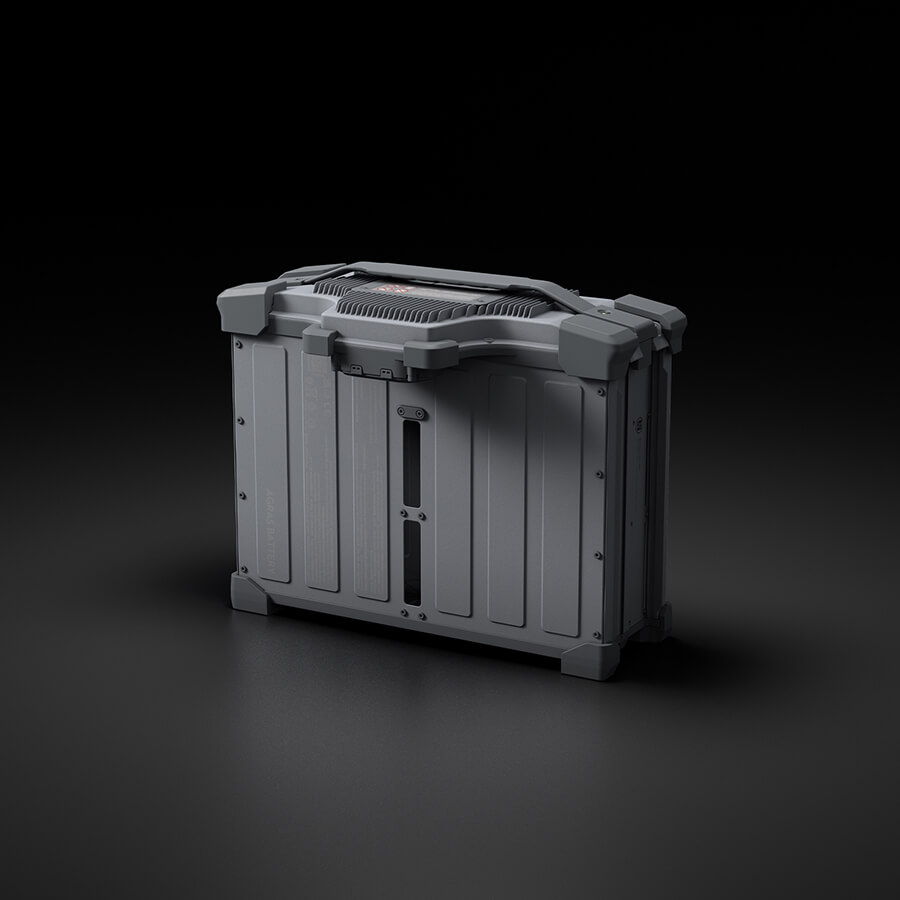
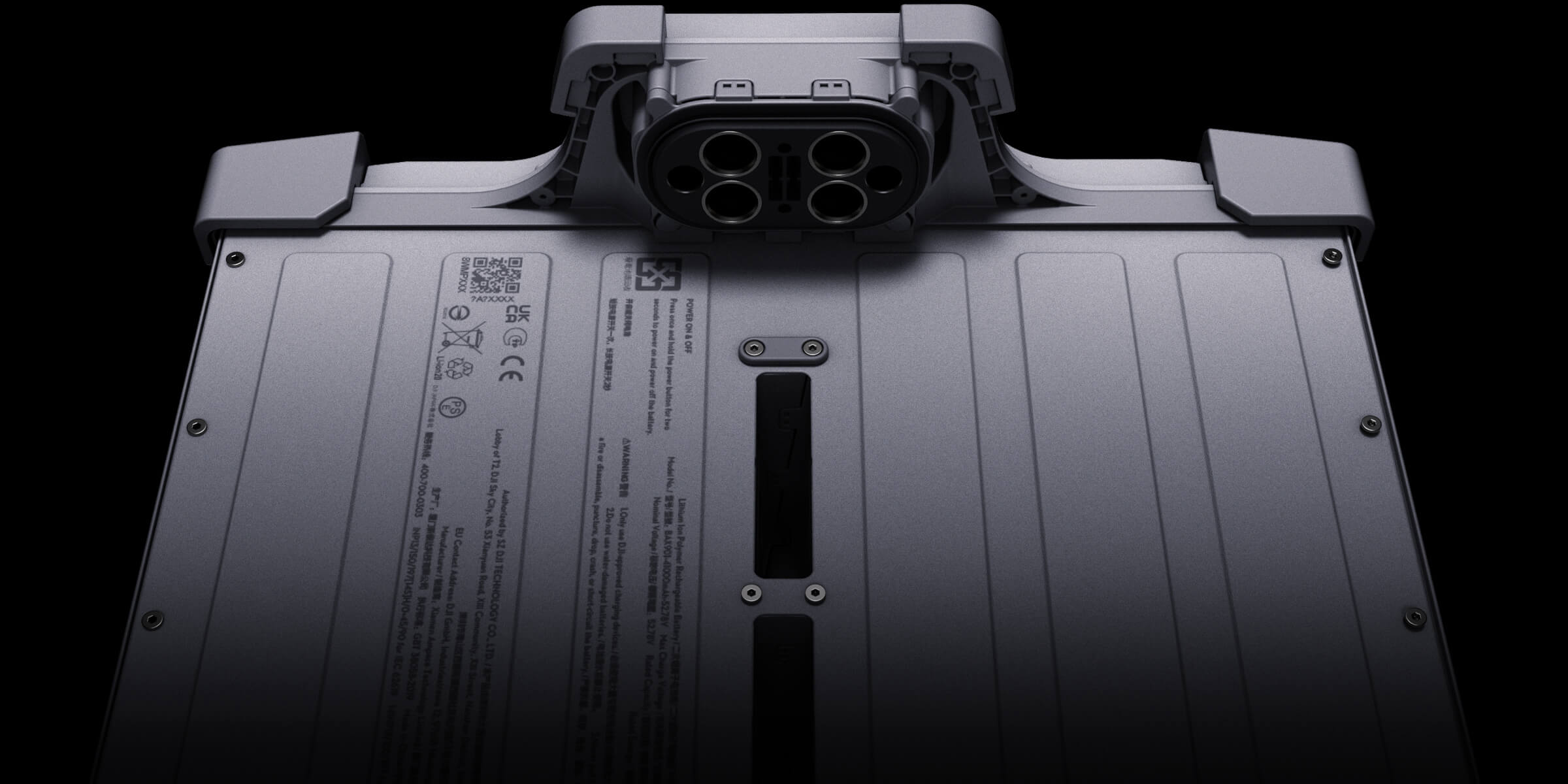
41 Ah, offers ultra-Fast charge, triple air-channel cooling design
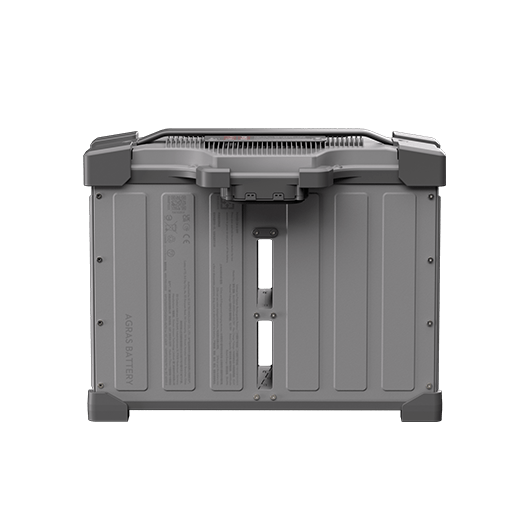
DB2160 Intelligent Flight Battery

D14000iE Multifunctional Inverter Generator
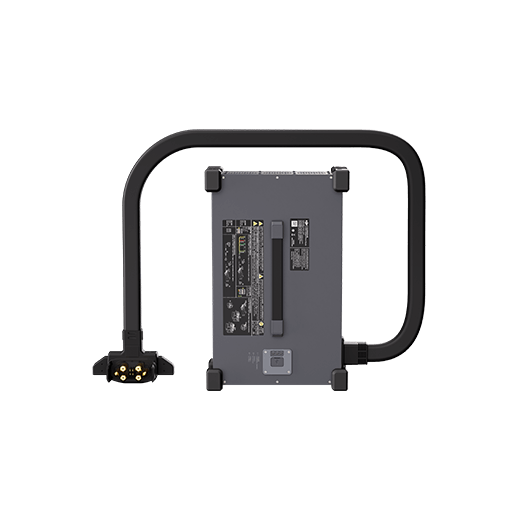
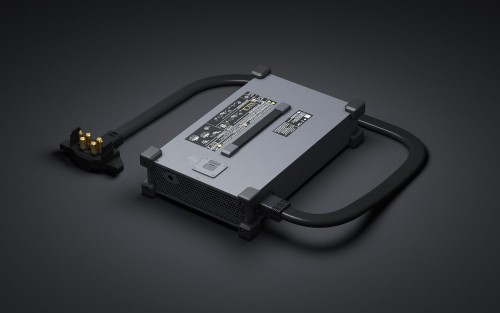
C12000 Intelligent Power Supply
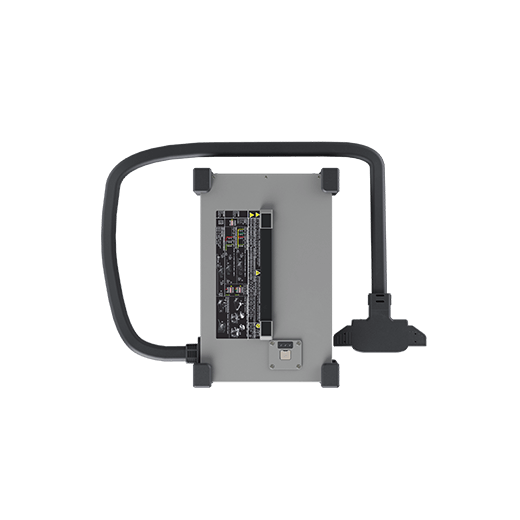
C10000 Intelligent Power Supply
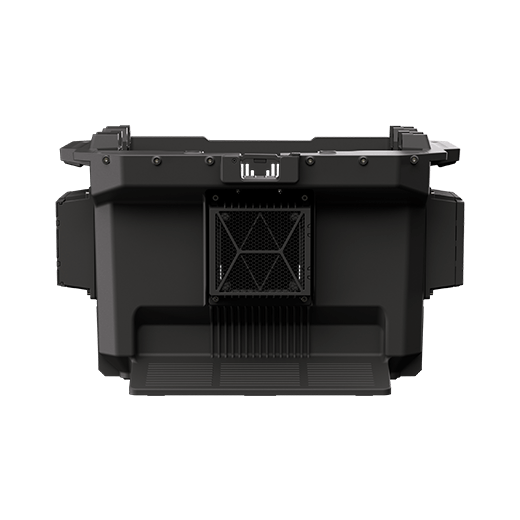
DB2160 Air-Cooled Heat Sink
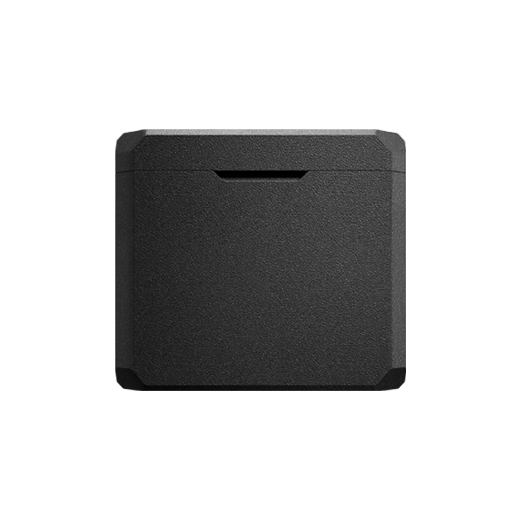
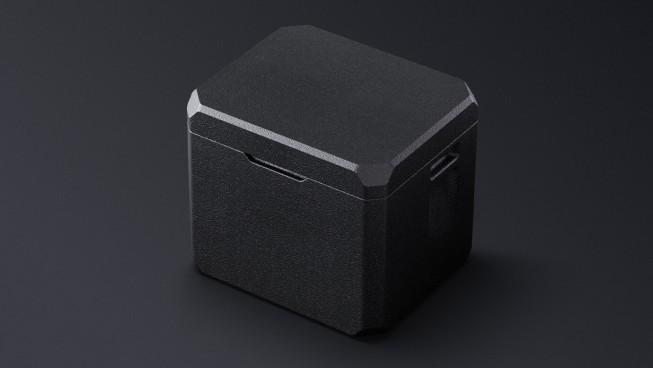
DJI Battery Incubator
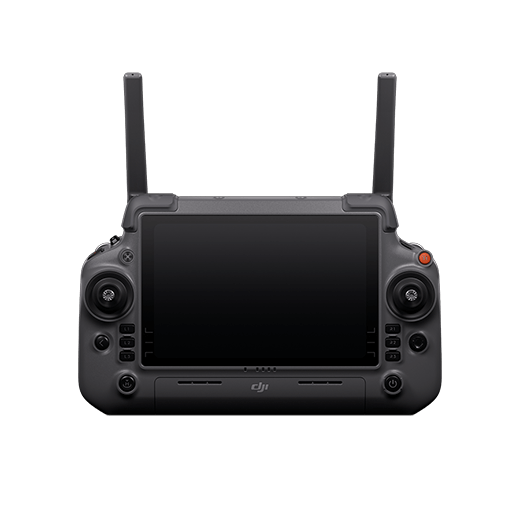
DJI RC Plus 2
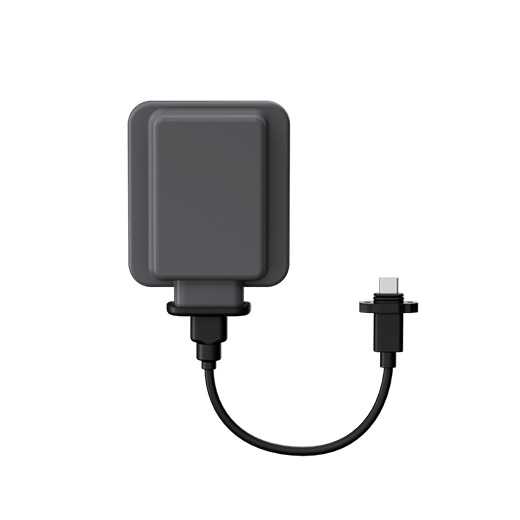
DJI Cellular Dongle Kit
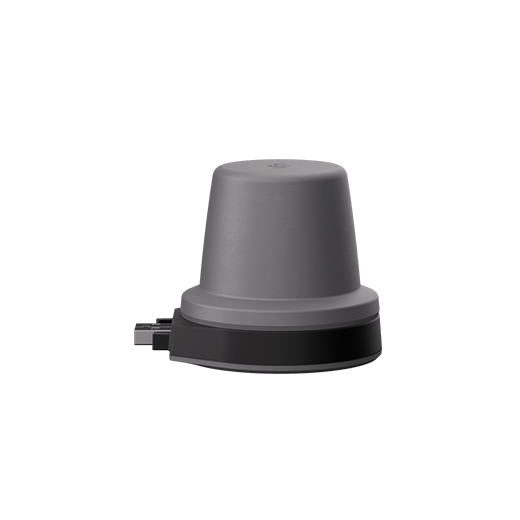
RTK Dongle
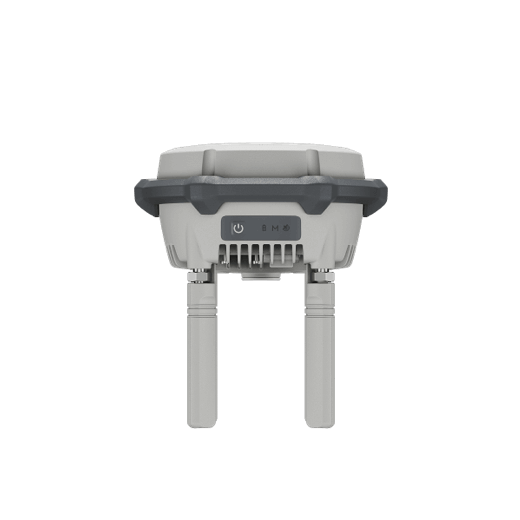
D-RTK 3 Multifunctional Station
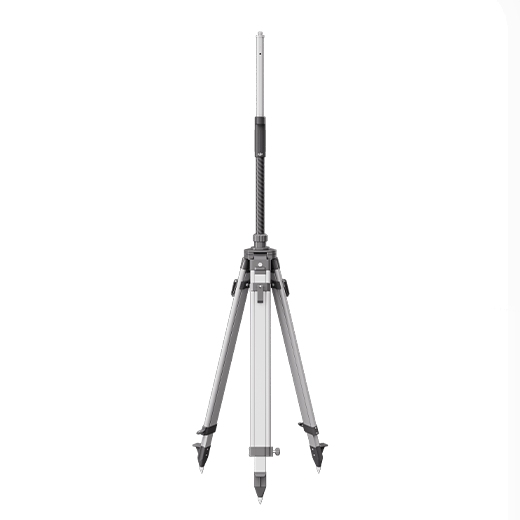
D-RTK 3 Survey Pole and Tripod Kit
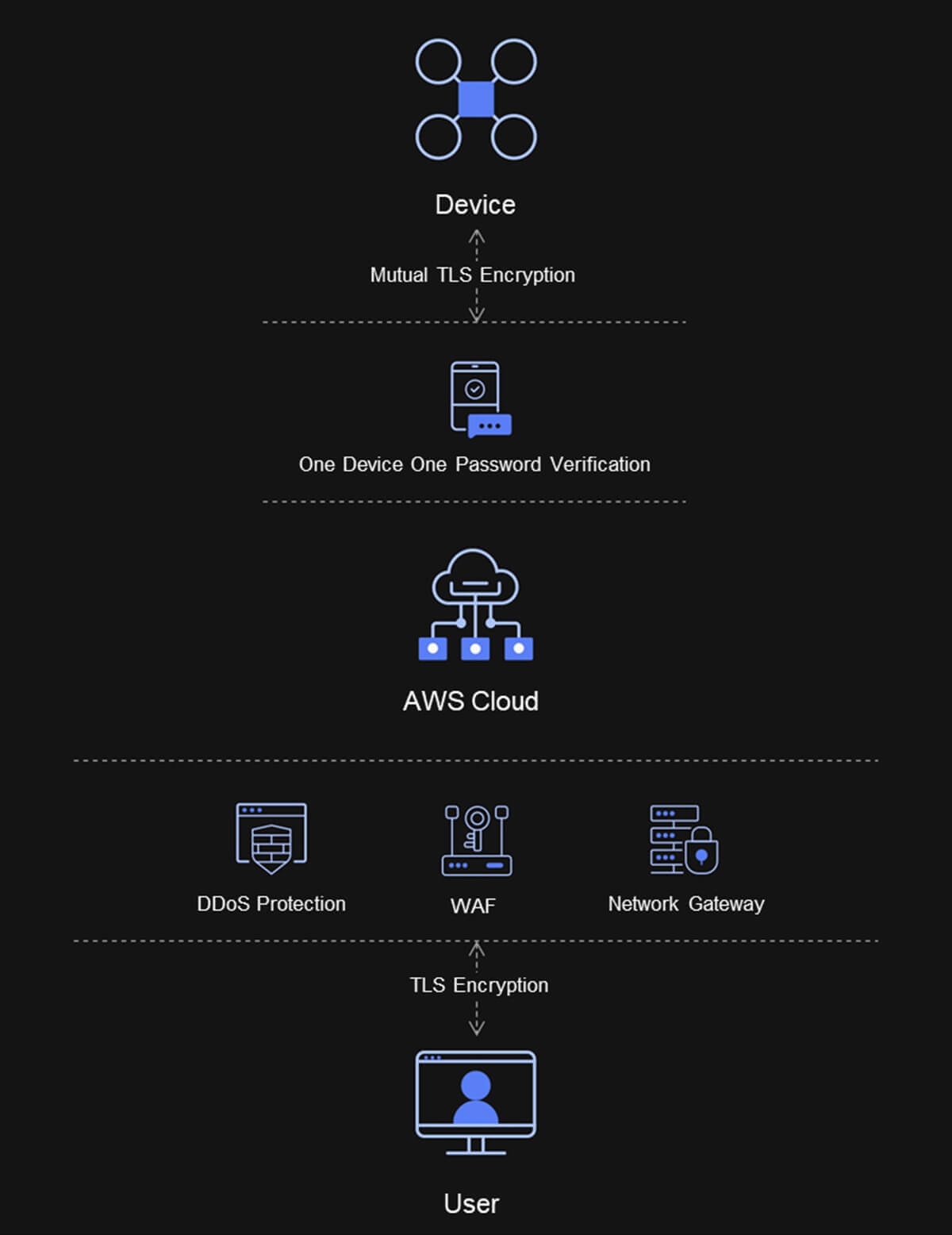
Operational data from cargo drone programs flight logs, route records, cargo documentation, video footage — carries commercial and regulatory value that requires proper protection. The FC100 and DeliveryHub system maintains data integrity across the full chain: device authentication and connection, transmission encryption, cloud storage access controls, and operational audit logging. Data uploads and stores on AWS infrastructure certified to ISO/IEC 27001 standards, giving operators documented assurance that their operational data is managed to internationally recognised security requirements rather than proprietary standards that can’t be independently verified.
Your journey into the extraordinary begins here. Share your details for a personalized DJI FlyCart 100 quote and let your imagination soar.
✅ Thank you for reaching out. Your message has been successfully sent, and our team will get in touch with you shortly.