Aerosmart UAV Trading L.L.C. is a tech company that specialises in drones and solutions in the UAE and across the GCC.
Aerosmart UAV Trading L.L.C. is a tech company that specialises in drones and solutions in the UAE and across the GCC.

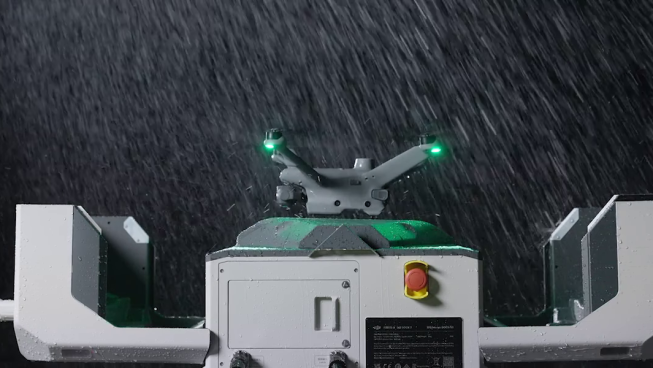
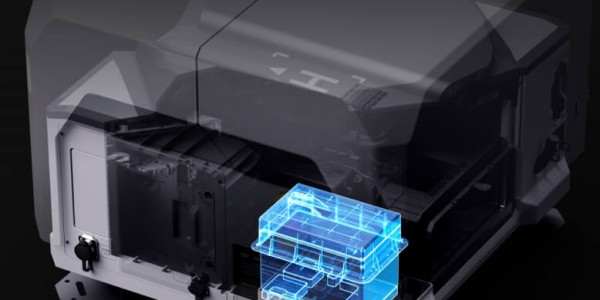
Unplanned power outages are a real operational risk for any fixed infrastructure running autonomous missions. When grid power drops, the Dock 2 switches to its built-in backup battery without interruption maintaining independent operation for over five hours. That window is more than sufficient for any aircraft currently in the air to complete its return and land safely, preventing the mission loss and aircraft risk that would occur if the dock lost power mid-flight.
Running autonomous infrastructure across multiple sites only makes operational sense if maintenance overhead stays manageable. The Dock 2’s protection rating and component reliability are engineered to extend the service interval to approximately six months between required maintenance visits. For organisations operating several docks across a region, that cadence keeps recurring costs predictable and prevents the staffing burden that more frequent servicing would create.
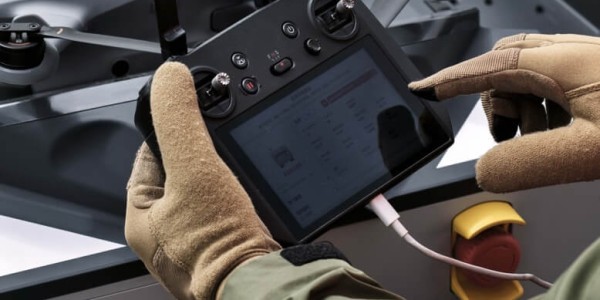
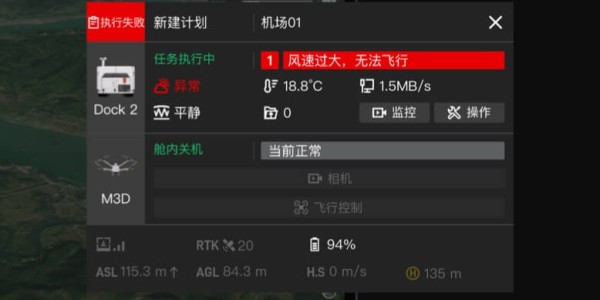
When something goes wrong with an autonomous operation a task failure, a sensor anomaly, or an in-flight emergency the operator needs to know immediately, not after the next scheduled check. DJI FlightHub 2 sends email alerts the moment the Dock 2 or the aircraft flags an issue, along with the operational data needed to identify what happened and where in the mission cycle the problem occurred. That traceability is what turns an incident into a diagnosable event rather than an unexplained gap in the mission log.
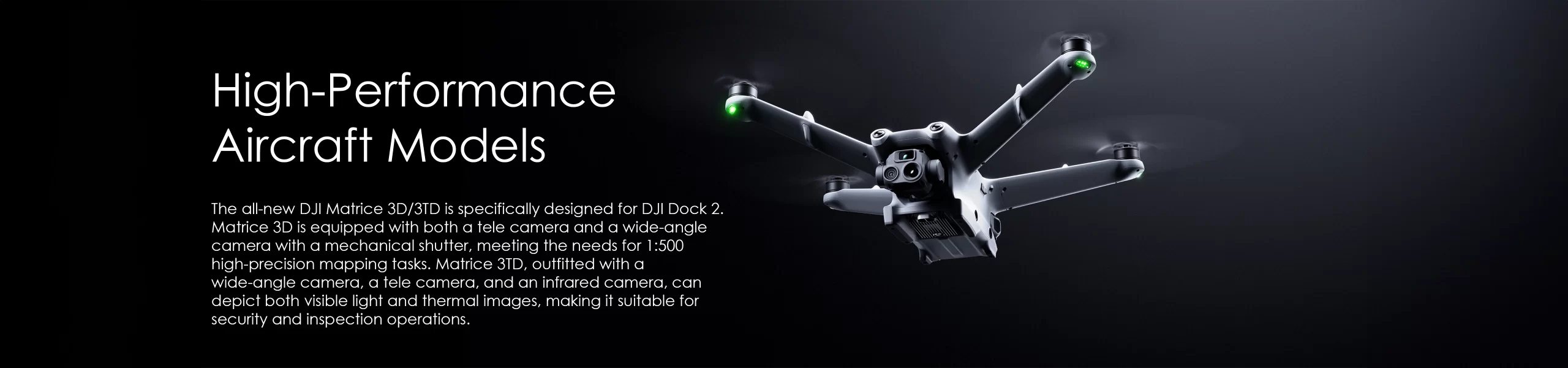


The DJI Dock 2 is available in the UAE from Aerosmart, Dubai. Pricing depends on the configuration and accessories selected request a same-day quote in AED, with official warranty included.
The Matrice 3D (mapping, mechanical-shutter wide camera) or Matrice 3TD (adds thermal) — purpose-built dock versions that launch, land and charge automatically.
Scheduled automated missions: site progress capture on construction projects, routine security patrols, and infrastructure inspections — all operated remotely through FlightHub 2.
Dock 2 is the compact, cost-effective option for a fixed site; Dock 3 adds newer aircraft and vehicle-mounted flexibility. Aerosmart scopes the right configuration per site in the UAE.
Yes — every DJI Dock 2 sold by Aerosmart is a genuine unit covered by the official warranty, with local repair and after-sales support handled in Dubai.
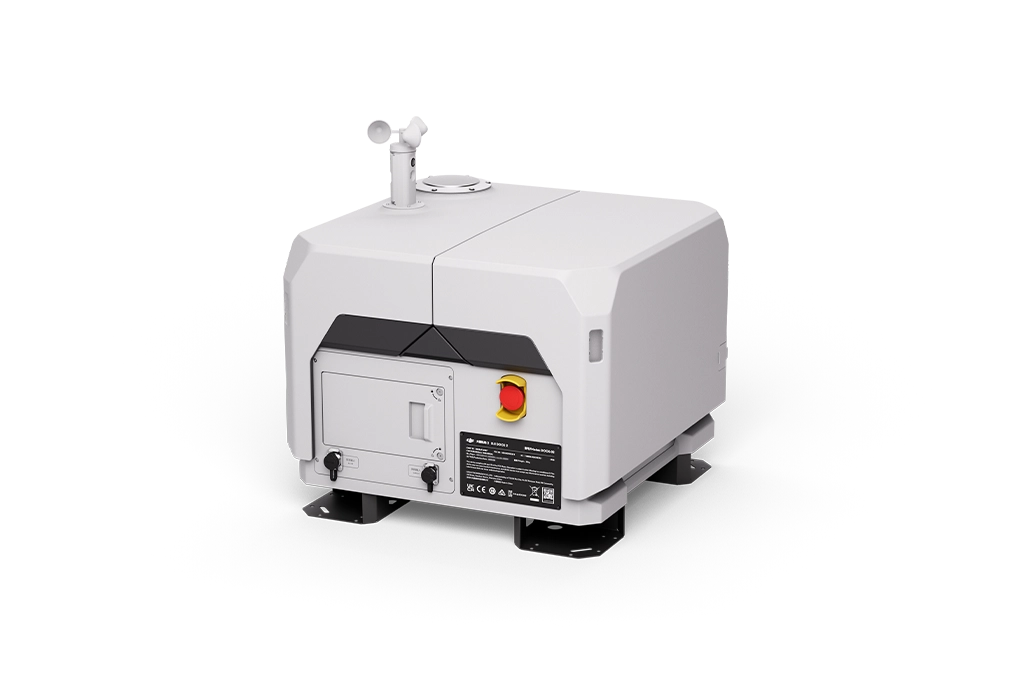

Your journey into the extraordinary begins here. Share your details for a personalized DJI DOCK 2 quote and let your imagination soar.
✅ Thank you for reaching out. Your message has been successfully sent, and our team will get in touch with you shortly.